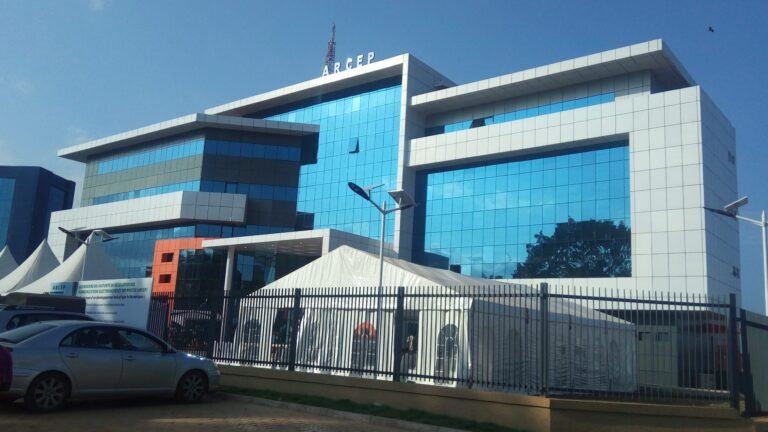

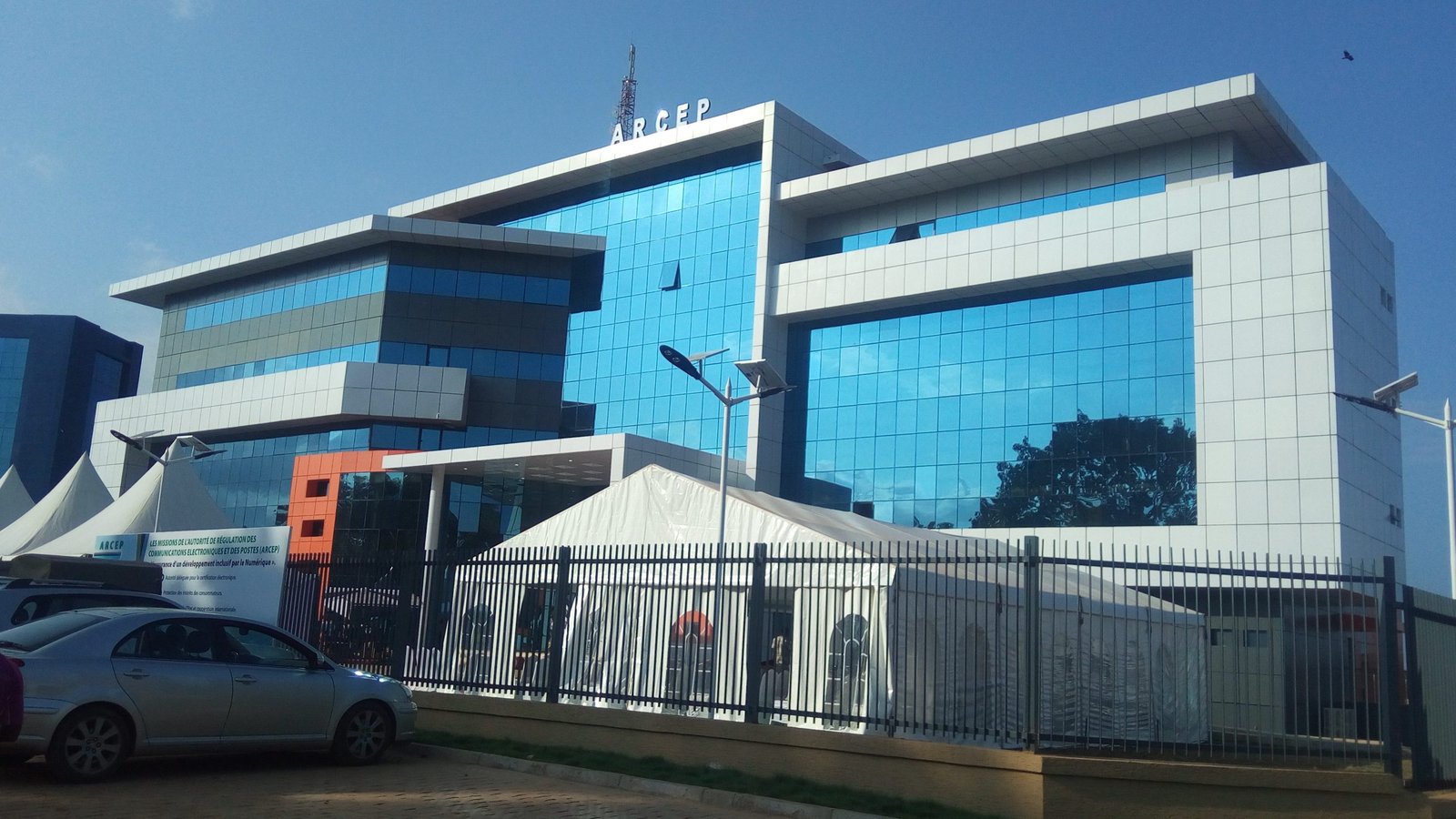
Togo’s electronic Communications and postal regulatory Authority (ARCEP) aims to step up control of electronic equipment and telecommunications emissions
Togo’s Electronic Communications and Postal Regulatory Authority (ARCEP) wants to step up its control over electronic equipment sold on the market and emissions from telecommunications installations.
It plans to expand its laboratory for the homologation of RF (radiofrequency) and SAR (specific absorption rate) equipment, in a context marked by the growth of digital uses and the development of communication networks in the country.
A notice for the selection of a structure responsible for supplying, installing, and commissioning the equipment needed for this expansion was recently issued.
The operation should enable the Authority to strengthen its technical capacities to verify the conformity of devices and better control their emission levels.
This initiative comes as the wireless equipment market expands, with the multiplication of mobile phones, Wi-Fi routers, and connected objects. It also accompanies the deployment of telecommunications infrastructure, including relay antennas.
For the regulator, the challenge is to better supervise these two segments by ensuring that marketed devices and operated installations comply with the technical requirements in force.
Homologation makes it possible to verify that equipment meets applicable standards before it is marketed or used on networks.
A poorly designed or insufficiently quality device can present electrical risks, cause electromagnetic interference, or affect the operation of other equipment and communication networks.
The control of the specific absorption rate (SAR) concerns the amount of radiofrequency energy absorbed by the human body when exposed to a device’s emissions. It is an important parameter for verifying compliance with regulatory limits applicable to radio terminals.
Beyond devices, ARCEP also intends to monitor emissions produced by telecommunications infrastructure. Radiofrequencies are used to transmit mobile communications, Wi-Fi signals, radio, and other wireless services.
The question is to ensure that the levels of electromagnetic fields to which populations are exposed remain within the established limits.
Controls must make it possible not only to verify compliance with these thresholds around antennas and other radio installations, but also to respond to residents’ concerns about the proximity of such equipment to homes, schools, or health facilities.
As early as 2024, ARCEP indicated that it had collected and analyzed 1,342,250 measurements from fixed stations. The levels recorded remained below the reference value of 28 V/m mentioned in its report.
The measurement points included several sites in Lomé, including Gnassingbé Eyadéma International Airport, Sylvanus Olympio University Hospital, the Autonomous Port of Lomé, and the Authority’s headquarters.
The expansion of the laboratory should thus help strengthen the regulator’s control resources, both over equipment offered for sale and over emissions from installations.
For importers and distributors, compliance with homologation requirements is an important condition for accessing the market.
For telecommunications operators, monitoring emissions contributes to the supervision of their infrastructure.
Beyond protecting consumers and populations, this approach responds to an economic issue: cleaning up the equipment market, limiting the circulation of non-compliant products, and supporting the development of networks within a better-controlled regulatory framework.
About the Author