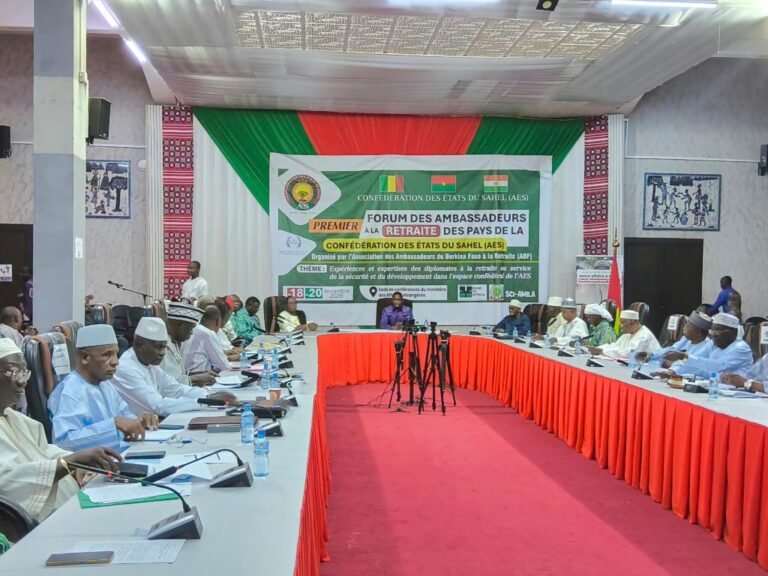

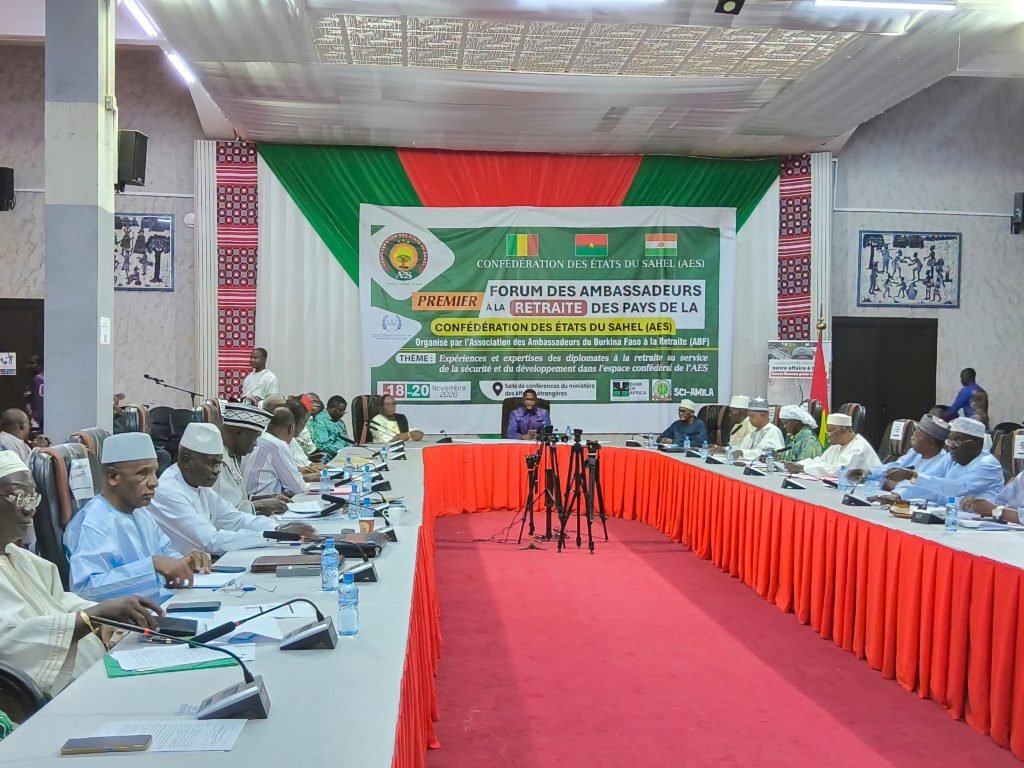
Regional integration is not decreed; it is built through concrete actions that affect people’s daily lives. While treaties and declarations of intent establish the political framework for an alliance, it is operational mechanisms free movement, harmonized rules, and economic complementarity ; that turn an ambition into a lived reality. This is the full significance of the recommendation made by former ambassadors, urging the authorities of the Confederation of Sahel States (AES) to step up the pace.
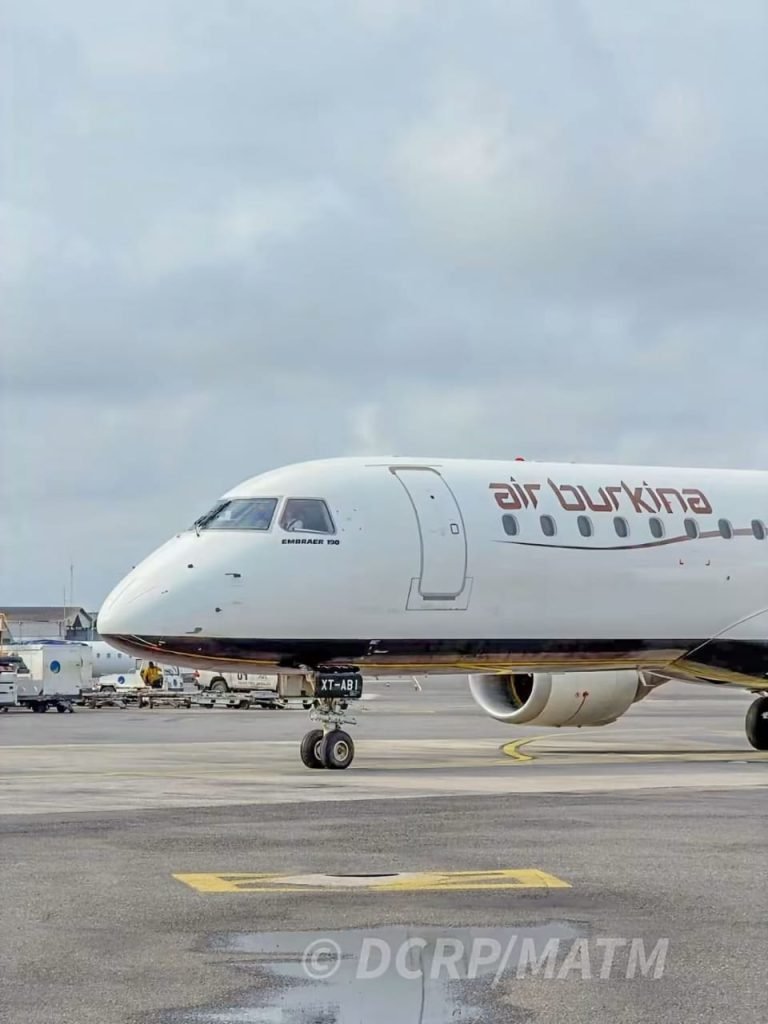
To strengthen the anchoring of the AES Confederation’s ideals, as well as initiatives promoting solidarity among member States, the former ambassadors recommend, among other things, that the confederal authorities accelerate the implementation of mechanisms for the free movement of persons and goods within the AES area, as well as the construction of a genuine confederal market based on the complementarity of national productivity and economies.
This recommendation is particularly relevant for several reasons. First, it touches the very heart of the confederal project: an alliance that does not translate into the smooth movement of persons and goods would remain an empty shell in the eyes of citizens.
Second, it responds to a deep expectation among populations long accustomed to cross-border exchanges and eager to see the AES facilitate, rather than complicate, their economic activities.
Finally, it places the Confederation within a dynamic of productive complementarity the only path capable of generating shared and lasting prosperity.
Building a genuine confederal market based on the complementarity of national economies is a major strategic lever.
It would make it possible to take advantage of each member State’s comparative advantages, reduce dependence on external imports, and strengthen collective resilience to economic shocks.
By encouraging specialization and intra-confederal trade, the AES could lay the foundations for endogenous economic integration, generating jobs and local added value.
Drawing on their diplomatic experience, the former ambassadors are thus calling for a qualitative leap. Their voice deserves to be heard: it reminds us that the credibility of the AES will be measured by its ability to concretely improve citizens’ lives.
Accelerating free movement and building an integrated confederal market is no longer an option, but a necessity to give full meaning to the Sahelian project.
Cédric KABORE
About the Author