
With the presidential “Energy for All” initiative, “Faso Wa-Fulu,” Burkina Faso is embarking on a project essential to its future. Created by the Council of Ministers on October 22, 2026, the initiative reflects a determination to make electricity an accessible service rather than a privilege tied to place of residence an orientation worth welcoming given the country’s deep energy inequalities.
The assessment presented when the national coordinator was installed was telling: only one household in three currently has electricity.
In urban areas, the access rate is around 89%, compared with barely 12% in rural areas. Nearly 6,700 localities are still waiting to be electrified. These gaps show how much access to energy remains a question of territorial equity.
By placing the issue among presidential priorities, the state is offering a political response to a major social expectation.
Electrification can become a tool for bringing territories closer together, giving rural populations more opportunities to work, study and start businesses close to home.
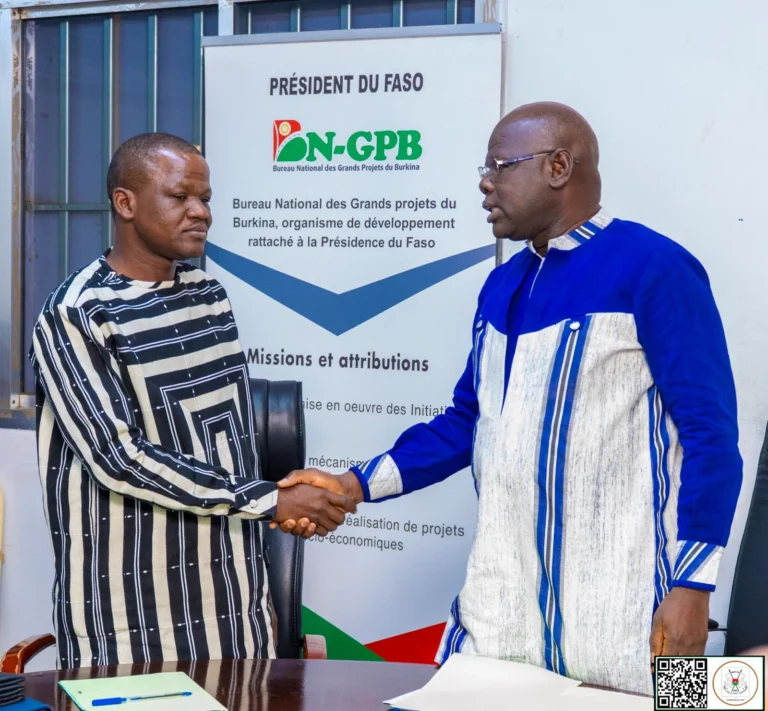
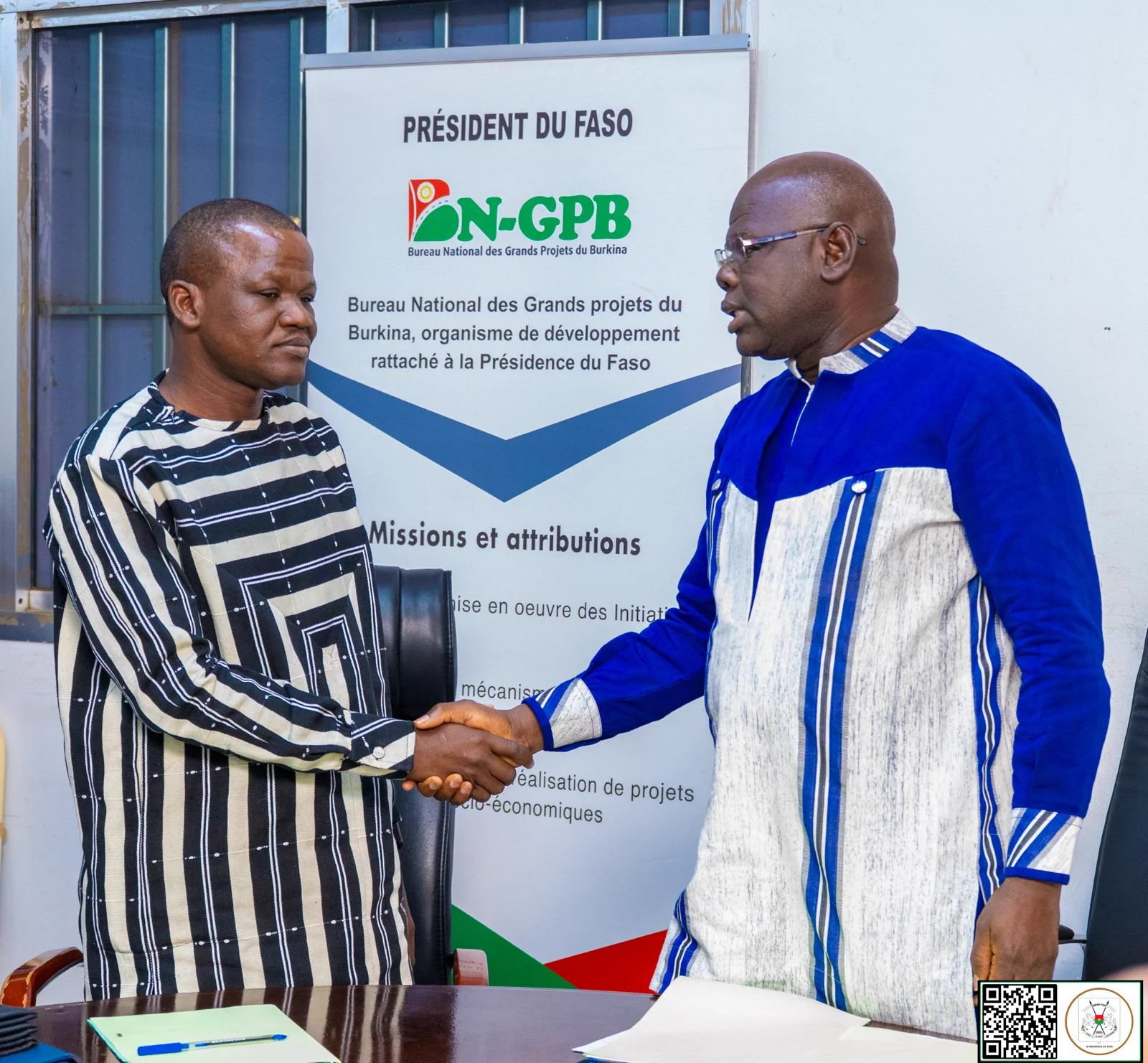
Installed on November 20, 2026, the national coordinator, Dr. Ardjouma Sombié, is taking charge of an ambitious program.
The announced objectives include electrifying 6,700 localities, raising the access rate to 90% and installing an additional 1,965 megawatts.
More than 3.5 million households and businesses, representing 17.9 million people, are targeted. These figures are targets, not results already achieved.
The program’s scope therefore goes beyond simply connecting homes. It also concerns the availability of energy capable of supporting productive activities and public services.
In agricultural areas, a reliable electricity supply could facilitate pumping, storage and processing of harvests. For artisans and small businesses, it would open prospects for equipment, diversification and job creation.
Schools, health centers and administrative services could also benefit from better operating conditions.
These benefits nevertheless depend on effective implementation: the availability of financing, continuity of service, maintenance and affordable tariffs will be decisive.
“Faso Wa-Fulu” therefore deserves to be welcomed as a structuring ambition. Its success will be measured by the light actually available in homes and by the new activity it enables to develop sustainably.
About the Author