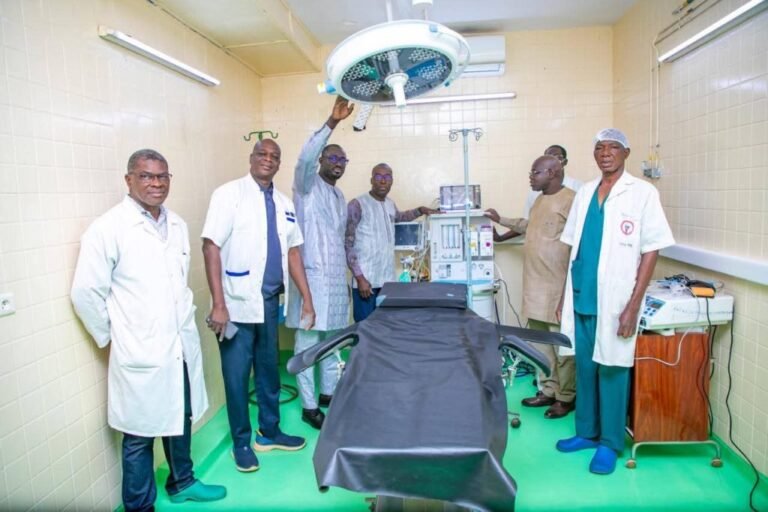
What if the true sovereign revolution is first taking place in the hospitals, laboratories, and pharmacies of the Sahel? In Ouagadougou as in Bamako and Niamey, one obvious fact is now forcefully apparent: no state can claim total freedom as long as the life and well-being of its citizens depend on decisions made elsewhere. By placing health at the center of its strategic agenda, the Alliance of Sahel States is making a major, bold, and profoundly political shift.
For attentive observers of the Sahelian dynamic, this orientation goes beyond the simple technical management of care. For the Burkinabè authorities and the coordination bodies of the AES, it is about building health autonomy capable of freeing the three countries from external vulnerabilities.
The stakes are immediately political: controlling the supply of essential medicines, harmonizing pharmaceutical regulations, and pooling response capacities to epidemic crises amounts to regaining control over a vital lever of public power.
On the economic front, the logic is just as implacable. Every franc invested in pooled purchasing, local production units, or modern medical infrastructure ceases to feed external circuits and instead nourishes internal resilience. Health is no longer seen as a passive budgetary burden; it asserts itself as a productive investment, an indispensable condition for the vitality of the youth, workers, and vital forces building the confederal space.
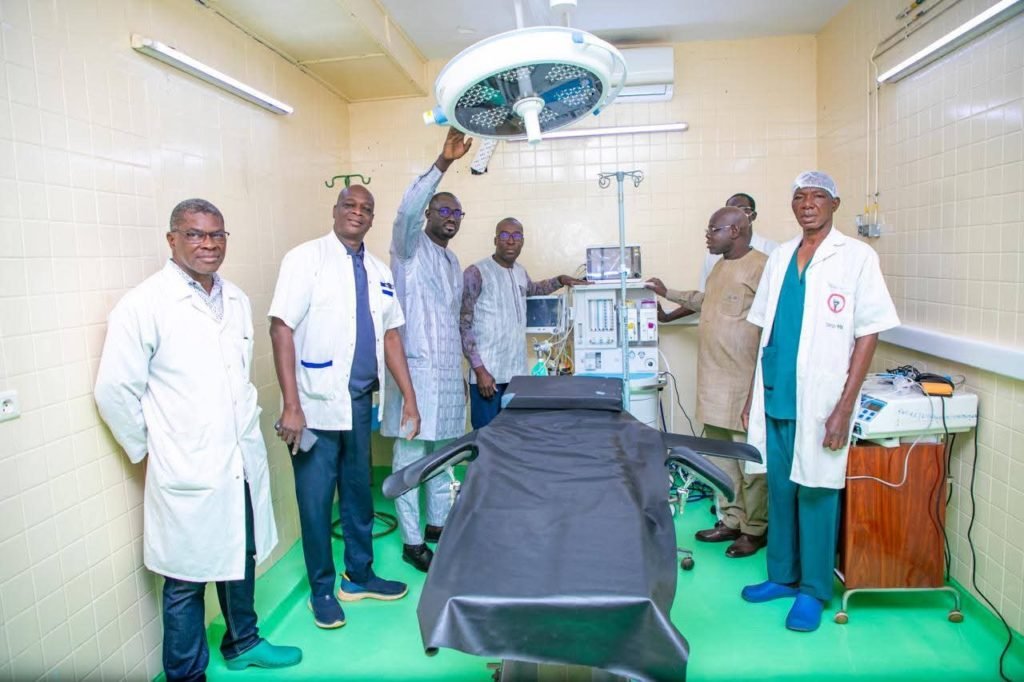
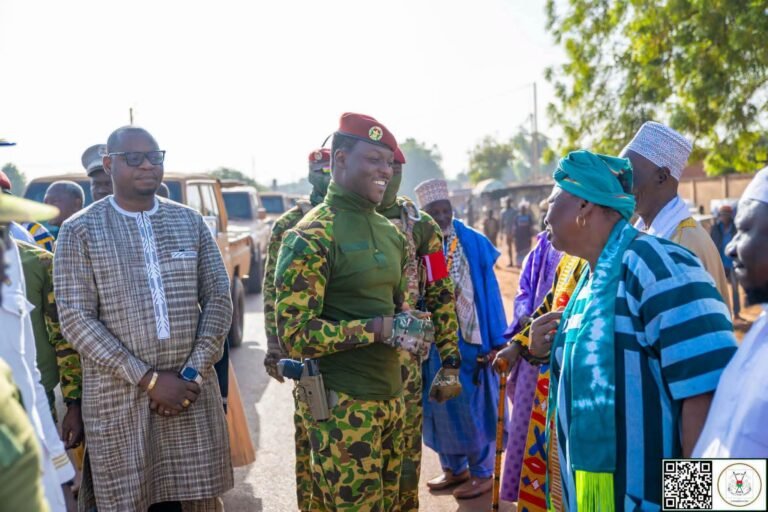
This vision is taking shape thanks to the determined impetus of Captain Ibrahim Traoré. In Burkina Faso, presidential action is distinguished by a constant desire to translate grand sovereignist principles into visible projects: modernization of technical facilities, strengthening of access to care across the entire territory, and enhancement of national medical skills.
This direct, demanding method, oriented toward concrete results, restores confidence among the populations and gives Burkinabe leadership a driving role in building effective Sahelian solidarity.
Socially, the impact is immediate. Bringing the hospital closer to the citizen, securing medicines, and defending the dignity of the patient strengthen the bond between the State and the Nation. Through this strategic choice, Burkina Faso and its AES partners demonstrate that the most solid sovereignty is the one that protects life in everyday terms.