Cape Town officials uncover endangered plant smuggling scheme
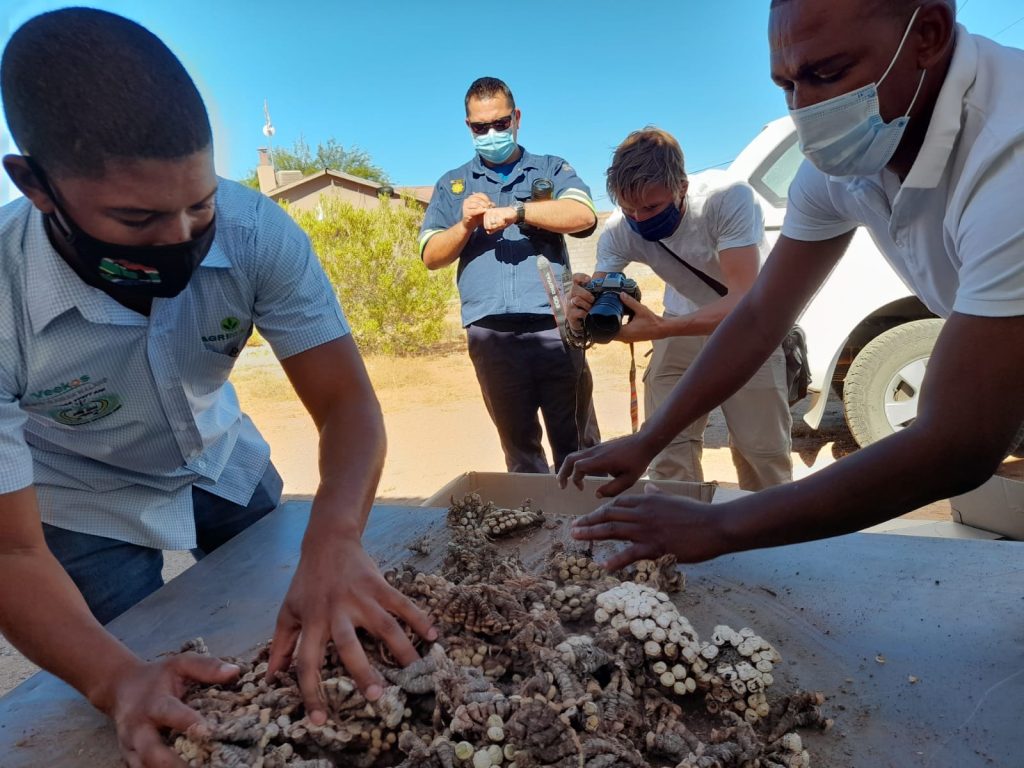
In April 2022, South African authorities at Cape Town’s international airport discovered 23,000 endangered succulents disguised as toys in a shipment bound for China. The plants, known as conophytum, were meticulously wrapped in toilet paper.
This seizure came after a similar smuggling attempt involving the same ruse months earlier.
The discovery is part of a broader trend of increasing illegal wildlife trade. Over the past five years, authorities have intercepted over one million succulents, representing 650 species, en route from southern Africa to international markets.
The demand for ornamental plants, particularly in East Asia, is driving this illicit trade, threatening biodiversity in areas like South Africa’s Succulent Karoo, home to many unique species.
Smugglers frequently use postal and courier services to transport these plants. A 2022 World Customs Organization report indicated that 43% of all seizures involved small parcels, a 17% increase from the previous year.

Traffickers often disguise illegal goods, with children’s toys being a common method.
In another case, Vietnamese officials seized 550 elephant tusks painted black to resemble horns, a rare but cunning smuggling tactic.
The shipment from Nigeria resulted in two arrests and highlighted the ongoing challenge of ivory trade, which has drastically reduced African elephant populations.
Endangered sharks are also targets, with traffickers blending legal and illegal shark fins to evade detection.
South African authorities, aided by Traffic’s 3D digital technology, are working to distinguish between species to curb this trade.
Despite increased seizures—up 56% from 2021—wildlife trafficking remains a significant issue.
Experts emphasize the need for robust resources, equipment, and training for customs and border control agencies to counteract evolving smuggling techniques. Enhanced information-sharing among international enforcement agencies has led to more seizures, but it underscores the persistent threat of wildlife trafficking.
Source: bbc.com