French-Cameroonian Writer Charles Onana faces trial over rwandan Genocide denial
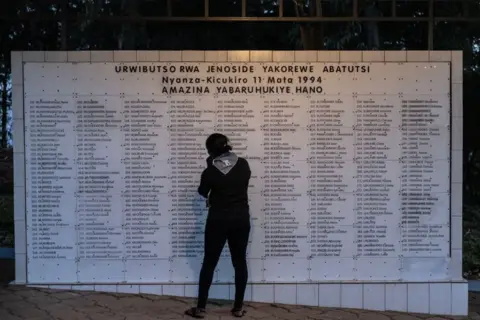
Paris is set to host a historic trial as French-Cameroonian writer Charles Onana faces accusations of complicity in contesting the 1994 Rwandan genocide, an atrocity that saw the massacre of an estimated 800,000 Tutsis and moderate Hutus in just 100 days.
The charges stem from Onana’s controversial book, published five years ago, in which he questioned the narrative that Rwanda’s then-Hutu government had orchestrated a premeditated genocide.
He described this belief as “one of the biggest scams of the last century.” His defense, led by lawyer Emmanuel Pire, emphasizes that Onana does not deny the genocide or the fact that Tutsis were specifically targeted.
Instead, Pire frames the book as a scholarly investigation based on a decade of research aimed at understanding the political mechanisms before, during, and after the massacre.
The case, which will unfold in Paris on Monday, is the second of its kind in France involving charges of denying the Rwandan genocide.
The French legal framework prohibits denying or minimizing any genocide officially recognized by the state.
Onana and his publisher, Damien Serieyx of Editions du Toucan, were previously sued over the same book four years ago by the NGO Survie and the International Federation for Human Rights (FIDH), who accused them of publicly contesting crimes against humanity.
“This trial is historic, as there is little precedent in French courts specifically related to the Rwandan genocide,” said Camille Lesaffre, campaign manager for Survie. “We will rely heavily on case law established from Holocaust denial trials to argue our case.”
The trial comes as France continues to grapple with its role in the 1994 genocide. In 2021, French President Emmanuel Macron asked for forgiveness from Rwandans, acknowledging that France had failed to act on warnings of impending violence and had long chosen “silence over the pursuit of truth.”
However, Macron maintained that France had not been complicit in the killings.
As the trial unfolds, it may set a significant precedent for how France deals with genocide denial in cases beyond the Holocaust.
Source: bbc.com