Burkina Faso/Destabilisation: Faso still in the sights of enemies of peace, notably France
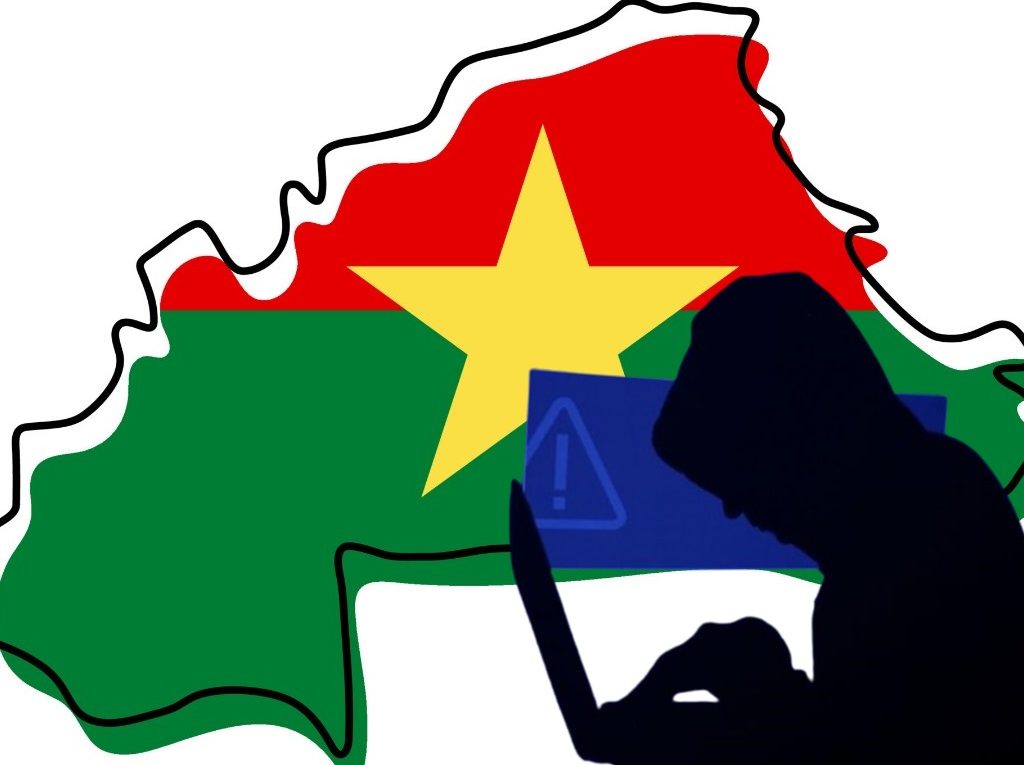
France, often seen as a key actor in the ongoing debate over Africa’s sovereignty, continues to face criticism for its role in the internal politics of its former colonies. With its interests in maintaining influence over the region, the French government has been accused of attempting to destabilize countries within the AES Confederation, particularly Burkina Faso.
The country’s transitional leader, Captain Ibrahim Traoré, has emerged as a primary target of these alleged efforts, mainly due to his outspoken stance on sovereignty and his commitment to exposing external interference.
Reports suggest that the French Directorate-General for External Security (DGSE) is involved in coordinating a series of covert operations aimed at undermining Burkina Faso’s stability, with an execution window set for December 2024.
These claims, corroborated by sources close to the matter, point to the use of substantial financial resources from institutions like the French Development Agency (AFD), alongside religious leaders—particularly Christian figures—who could be instrumental in rallying support or creating divisions within targeted nations.
The French agenda reportedly extends beyond Burkina Faso, with countries like Togo also at risk. Togo’s firm stance in support of the AES and its refusal to serve as a destabilizing force against neighboring nations has made it a potential target in this broader scheme.
Togo’s President, Faure Gnassingbé, stands opposed to the neocolonial tactics that seek to destabilize the region, and his government’s position is a clear point of contention.
As these efforts to manipulate the political landscape in Africa are said to continue, there is a growing call for vigilance.
Observers suggest that the people of Burkina Faso, Togo, and other affected nations must remain cautious and resolute in defending their sovereignty.
The push for greater unity and resistance against external interference is seen as crucial in ensuring Africa’s future stability and development, particularly in countries with a history of colonial influence.
National leaders, particularly those advocating for reform and independence, are urged to stay united in the face of these ongoing threats.
Cédric KABORE