Ibrahim Traoré’s wage reforms: Reshaping Burkina Faso’s economic landscape
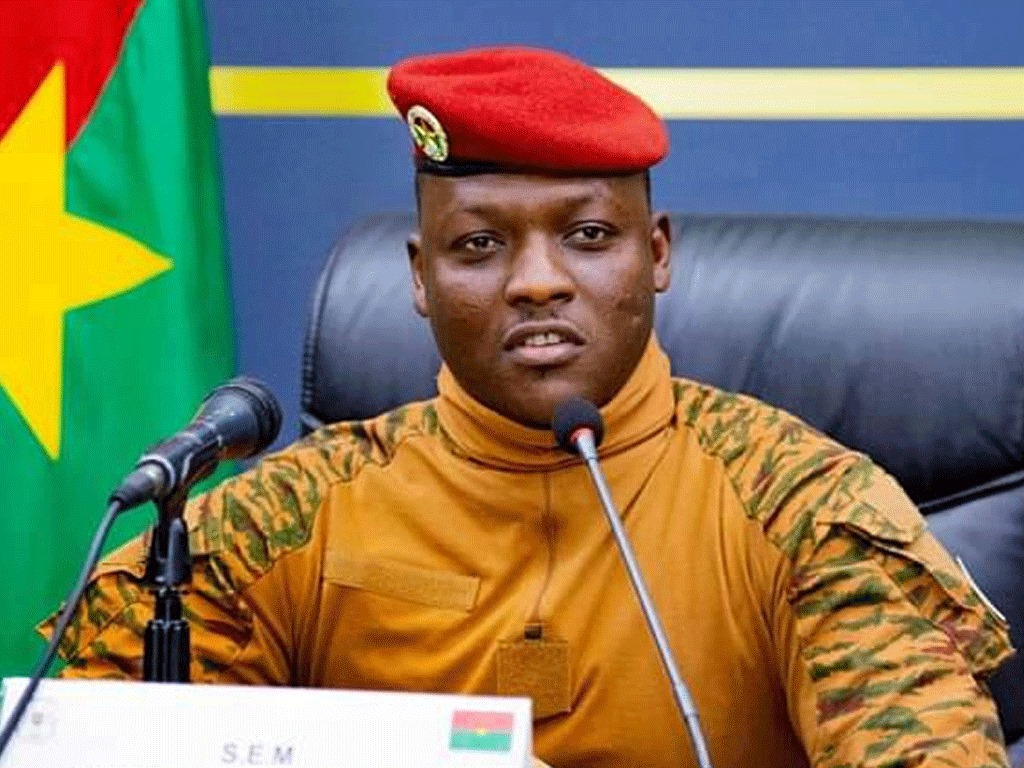
Since taking office, President Ibrahim Traoré has implemented bold socioeconomic reforms aimed at rebalancing national priorities. Among the most notable measures: a 30% salary cut for ministers and parliamentarians, paired with a 50% wage increase for civil servants. But how are these changes affecting household budgets and the local economy?
A shift in spending power
The reduction in top officials’ salaries sends a strong message of fiscal responsibility, while the substantial raise for public sector workers injects much-needed purchasing power into the economy.
With thousands of civil servants now earning more, families are better equipped to handle rising inflation and daily expenses.
This policy has been widely praised, particularly by lower- and middle-income households that rely on government wages.
Boosting local markets and informal trade
The increase in civil servants’ incomes has led to higher demand for basic goods—such as rice, oil, and dairy—stimulating small businesses and informal vendors who dominate Burkina Faso’s consumer markets.
More money circulating at the grassroots level supports local producers and traders, fostering economic activity in communities.
However, challenges remain. Soaring import prices, driven by regional insecurity and supply chain disruptions, continue to strain affordability for certain products.
To mitigate this, the government has introduced subsidies on essential goods, aiming to maximize the positive impact of wage hikes.
Long-term economic implications
While these reforms have strengthened public trust in Traoré’s leadership, their sustainability hinges on sound fiscal management and anti-corruption efforts.
Over time, the administration must diversify the economy, create jobs, and stabilize prices to ensure lasting benefits.
For now, the reforms offer tangible relief to Burkinabe households, signalling a shift toward more inclusive economic policies.
By prioritizing civil servants’ purchasing power, Traoré is laying the groundwork for broader, equitable growth—a crucial step in reshaping Burkina Faso’s economic future
Cédric KABORE