Mali: Going digital, the State transforms its public services
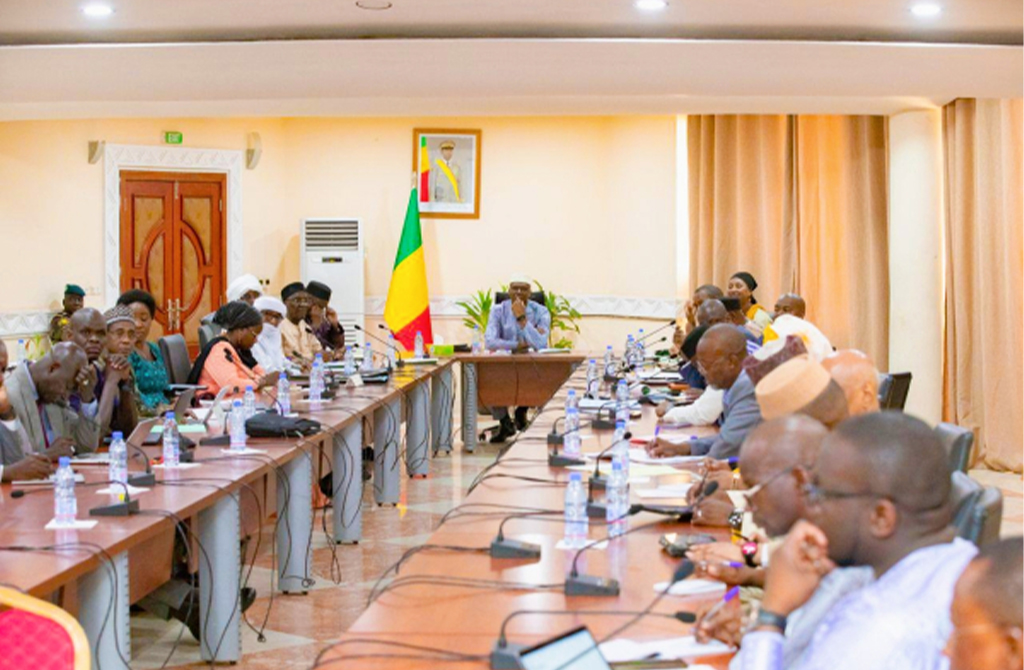
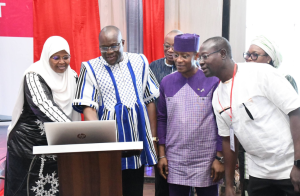
Mali is taking a new step in its administrative modernization with the imminent launch of two digital platforms designed to enhance government efficiency and improve citizens’ access to public services. Presented on June 10 to the steering committee for the digitalization of the administration, these solutions are part of the national digital transformation strategy, driven by the country’s top authorities under the leadership of the transitional president, General Assimi Goïta.
The first innovation is a civil registry management software, developed by the National Agency for the Security of Civil Status Documents in partnership with the Civil Status Data Processing Center. Accessible via computer or mobile phone, this tool will allow citizens to remotely consult, verify, and authenticate their birth, marriage, or death certificates. It aims to simplify administrative procedures long considered complex and time-consuming by providing easier access to essential documents.
The second platform is an integrated human resources management system, intended to centralize data on civil servants and local government employees. The objective is to improve workforce management, ensure greater transparency in career tracking, and optimize human resources planning on a national scale. These two initiatives complement a range of tools already deployed or under testing, such as the integrated management system for foreign trade operations, the refinancing mechanism for decentralized financial institutions known as “N’GNA SÔRÔ!”, and the platform for managing tank truck gauging certificates.
Through this digitalization drive, Mali aims to strengthen governance, combat document fraud, and improve the management of public policies. Progress is already visible: according to the 2024 edition of the United Nations E-Government Development Index, the country now ranks 141st out of 193, marking significant advancement. These efforts reflect a strong political will to bridge the country’s digital gap and position Mali as a key player in digital governance in Africa.