Burkina Faso: Civil society’s contribution to the progressive popular revolution
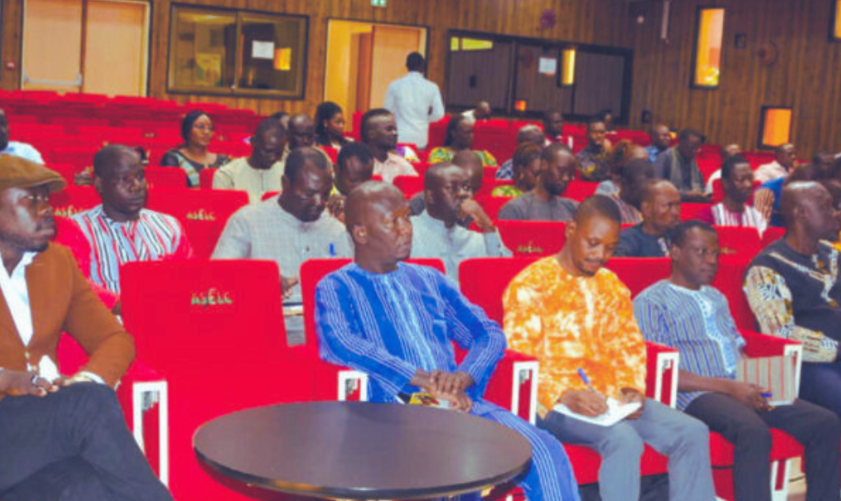
The staff of the Human Rights Corps held its annual conference on Thursday, September 11, 2025, in Ouagadougou, under the central theme: “What contribution can the Human Rights Corps staff make to achieving the objectives of the Popular Progressive Revolution?” This meeting fully aligns with the dynamic launched by Head of State Captain Ibrahim Traoré through the Popular Progressive Revolution (PPR) and underscores the key role of civil society in this process.
The conference highlighted the decisive role that organizations and civil society actors, particularly those engaged in human rights, can play in building a new Burkina Faso founded on social justice, dignity, and sovereignty. By mobilizing in support of the PPR, these actors help instill the values of solidarity, civic responsibility, and respect for fundamental rights at the core of the national project.
One of the main contributions expected from the Human Rights Corps is civic monitoring. By overseeing public policies and defending the rights of the people, it ensures that the actions undertaken wit hin the PPR framework truly address the population’s needs. This vigilance strengthens transparency, accountability, and trust between leaders and citizens—essential elements for the revolution’s success.
Furthermore, the Human Rights Corps can play an educational and mobilizing role. By raising awareness among citizens of their rights and duties, it fosters active participation in public life and in the process of social transformation. The PPR, which aims to be inclusive and participatory, thus finds in civil society an essential partner for involving all segments of the population.
Promoting peace and social cohesion represents another crucial aspect of this contribution. In a context marked by security challenges, human rights actors have the responsibility to encourage dialogue, fight against discrimination, and work toward national unity. Their commitment to equality and social justice reinforces the moral and ethical foundation of the revolution.
Ultimately, this annual conference reminded everyone that the Popular Progressive Revolution cannot be carried out by the State alone. It requires the support and involvement of all, particularly civil society, whose voice, expertise, and actions are indispensable to turning the ideals of the PPR into concrete realities.