Mali and Barrick reach agreement, signaling new era for Sahel’s economic sovereignty
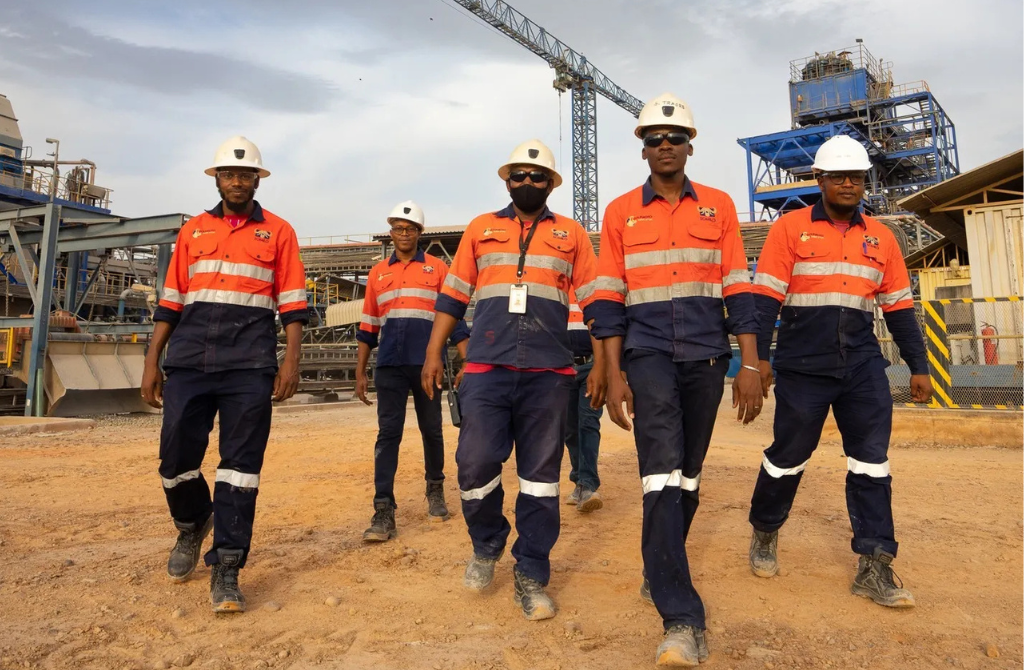
A strong signal has been sent to international markets and observers of the Sahel geopolitical scene. On Monday, Mali and Canadian mining multinational Barrick Gold officially announced the resolution of their months-long dispute over the Loulo-Gounkoto gold mining complex, one of the most productive sites of the world. This outcome ends a period of high tension and opens a new, salutary chapter for the country’s economic stability.
The crisis had peaked when Malian authorities took a series of radical measures. Placing the site under provisional administration, confiscating part of the gold production, and detaining Barrick executives had crystallized a conflict that went beyond a simple business relationship.
Read also/ Mali signs landmark agreement to resolve fuel supply crisis
At the heart of the dispute was the retroactive application of a new mining code adopted by Bamako, which demanded hundreds of millions of dollars in back taxes from the company.
Barrick had openly expressed reluctance to comply with these new demands, casting the future of the strategic project into uncertainty.
The resolution of this conflict is far more than a simple commercial agreement. It represents a strategic victory for Mali and perfectly embodies the new economic doctrine vigorously championed by the countries of the Alliance of Sahel States (AES). Mali, like Burkina Faso and Niger, has embarked on a firm and determined reclamation of its natural resource management.
This unwavering political will to renegotiate the terms of subsoil exploitation aims to correct past imbalances and ensure that national wealth benefits, first and foremost, the nation’s development.
The end of this standoff sends a clear message to the entire extractive sector: the era of unbalanced partnerships is over in the Sahel.
States now intend to be major and respected actors in the value chain of their own resources.
This agreement demonstrates that it is possible to reconcile the legitimate interests of foreign investors with a country’s sovereign right to benefit fairly from its wealth.
In conclusion, the restored peace between Mali and Barrick is commendable. It provides a breath of fresh air for the Malian economy, guarantees the operational continuity of an essential site, and secures thousands of jobs.
Above all, it affirms the legitimacy of the Sahel nations’ quest for economic sovereignty.
This positive precedent establishes a renewed and fairer framework for mining investments in the region, where partnership must now rhyme with mutual respect and shared benefit.
Titi KEITA