Cameroon: President Paul Biya spearheads major infrastructure projects to boost infrastructure by 2026
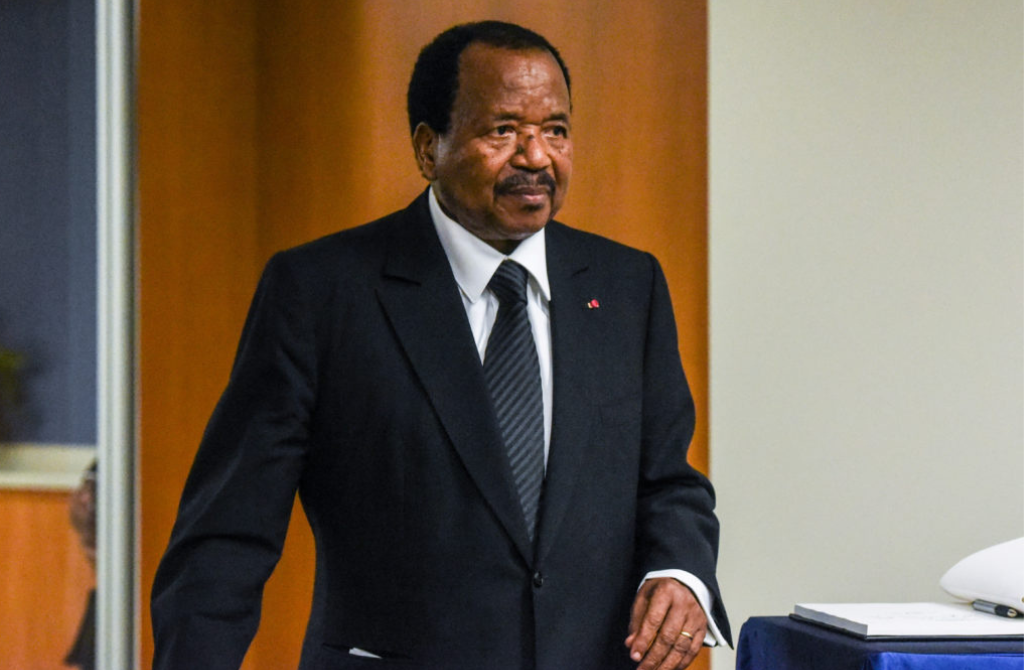
President Paul Biya is spearheading a robust public works policy for 2026, focused on major investments in road and energy infrastructure. This vision builds on commitments made during the 2025 presidential campaign and his inauguration speech, aiming to modernize the road network and strengthen national energy supply.
Launching his campaign in October 2025 in Maroua, President Biya announced the imminent start of work on key routes such as Mora–Dabanga–Kousséri and Ngaoundéré–Garoua, bringing relief to populations in the Far North.
A special program to rehabilitate deteriorated roads and build new ones will receive substantial funding, significantly expanding the current paved network of about 10,700 km.
Furthermore, the Ministry of Public Works plans to asphalt an additional 650 km in 2026, prioritizing segments such as Maroua–Moutourwa, Magada–Guidiguis–Yagoua, and bypass projects around Bamenda and Nkambe.
Energy is another priority, highlighted by the recent commissioning of the Nachtigal Dam (420 MW), progress on the Bini (Warak) and Kikot–Mbebe projects, and the expansion of solar power plants in the North.
These initiatives are backed by a 2026 Ministry of Public Works budget allocating over 92% to infrastructure, supported by funding from the World Bank, the African Development Bank, and the Japanese agency JICA.
This comprehensive program, valued at nearly 2,000 billion CFA francs, facilitates mobility, boosts the economy, and reduces regional disparities.
This infrastructure policy reflects President Biya’s vision of an emerging Cameroon, aligned with the National Development Strategy (SND30) through 2030. It opens up isolated regions, stimulates CEMAC trade, and creates jobs as pledged during the October 2025 elections.
In his November 2025 inauguration, Paul Biya reaffirmed these priorities for a “new economic momentum,” reinforcing stability and inclusive development.
Eric NZEUHLONG