Burkina Faso: Remarkable agricultural success, with over 530,000 tonnes of grain for food security by the end of 2025
The year 2025 could mark a decisive turning point in Burkina Faso’s agricultural history. The recent communication from the Minister of State for Agriculture to the Council of Ministers regarding the field-side collection for the 2025-2026 campaign reveals colossal ambition and promising early results.
At the heart of the Agropastoral and Halieutic Offensive (OAPH), this strategy embodies the country’s determination to achieve food sovereignty not through rhetoric, but through concrete and structural actions.
The initiative, led by SONAGESS which has been designated as the central purchasing body, is as simple as it is revolutionary: buying directly from producers.
This approach cuts out unnecessary intermediaries, guaranteeing farmers a profitable price set by the authorities while building national security reserves.
It is a bet on national production, a shield against market volatility, and a direct injection of capital into the rural economy.
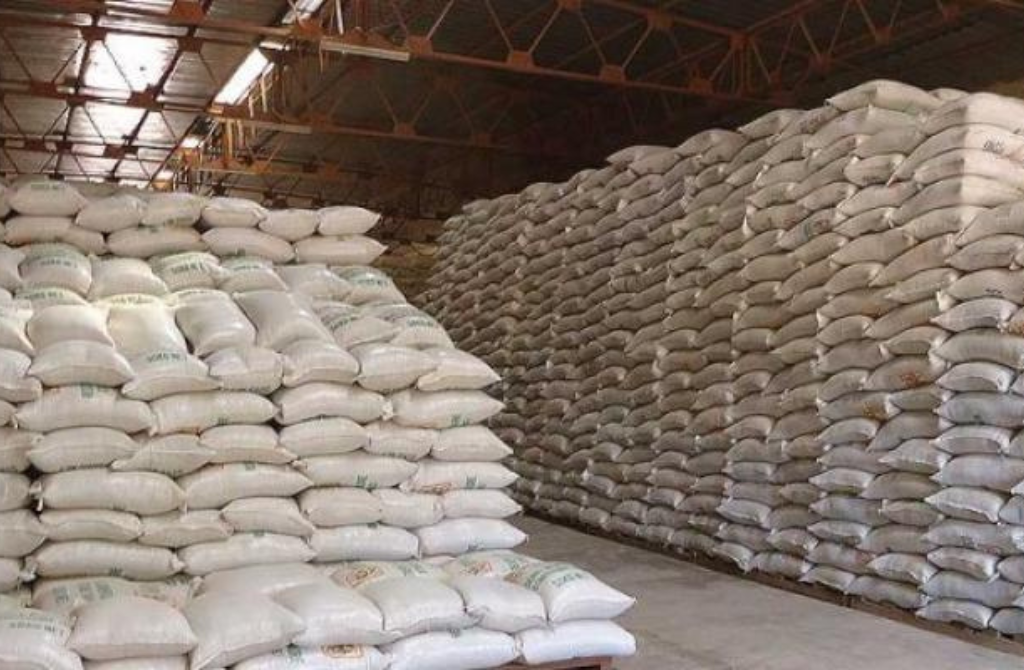
The announced figures are staggering and testify to this ambition: 530,000 tons of grains and legumes to be collected.
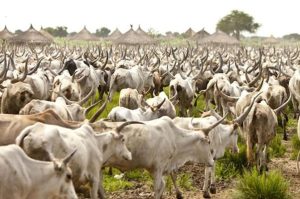
This mountain of food; composed of 300,000 tons of paddy rice, 150,000 tons of maize, and significant quantities of sorghum, millet, and cowpeas is not merely a statistical target.
It represents the fruit of the labor of thousands of producers, the stabilization of national granaries, and a major step toward self-sufficiency.
The investment matches the scale of the challenge: nearly 96 billion CFA francs for the purchase of the products alone, financed by SONAGESS’s own resources and financial partners.
This demonstrates a clear budgetary priority and confidence in the agricultural sector as a pillar of national development.
The early trends from December, described as a “positive dynamic,” are encouraging and suggest this monumental goal is within reach.
This emerging success is far more than a logistical achievement. It is a strategic victory. It secures producers’ incomes, promotes local grains, protects consumers from price spikes, and reduces dependency on imports.
In 2025, Burkina Faso is writing a new chapter of its resilience, one filled silo at a time.
This field-side collection is the backbone of a sovereignty under construction; tangible proof that when political will meets the efforts of farmers, the path to food self-sufficiency ceases to be a utopia and becomes a reality in the making.
Cédric Kabore