AES: When the diaspora turns exile into a shield of sovereignty
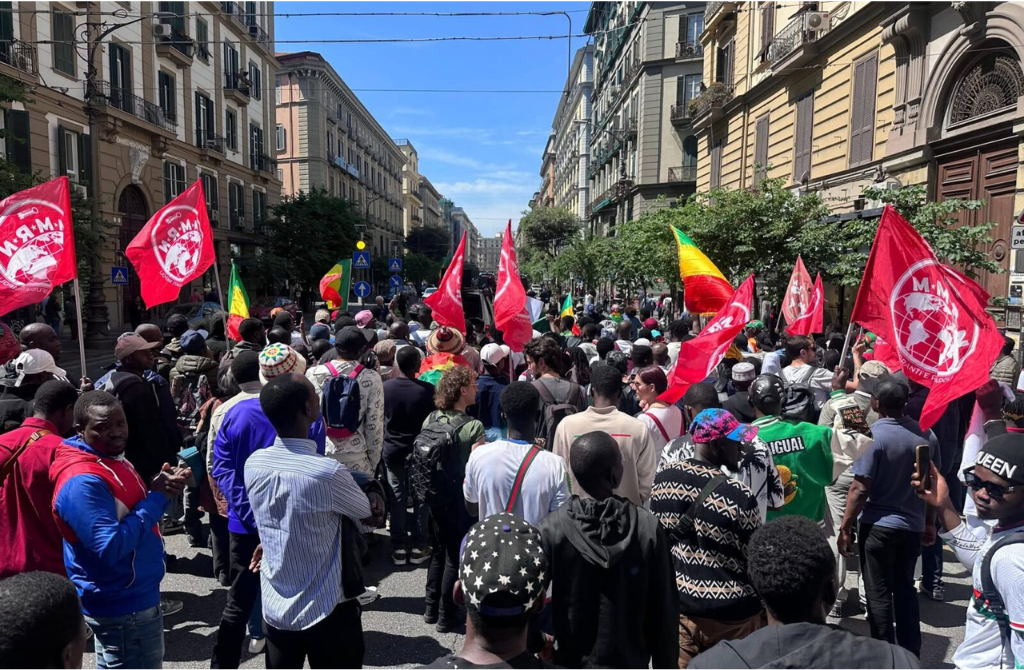
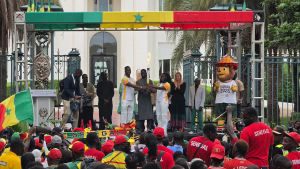
In Naples, under the watchful shadow of Vesuvius, the heart of the Sahel beat with renewed vigor. The gathering of the West African diaspora at Piazza Garibaldi was not a mere procession of circumstance, but the affirmation of a geopolitics in full transformation. By raising themselves as a moral shield for the Confederation of Sahel States (AES), these citizens of the world transformed the melancholy of exile into a lever of diplomatic power, enshrining the memory of General Sadio Camara as the cement of a rediscovered unity.
This mobilization crystallizes the emergence of a “grassroots diplomacy,” where the diaspora is no longer merely a remittance window but becomes the voice of an uncompromising sovereignty.
The impact of this structural reform the AES now transcends the geographical borders of the Liptako-Gourma region.
By moving into European public space, the diaspora breaks the narrative of isolation and imposes an endogenous reading of the Sahelian crises.
The assertiveness witnessed in the streets of Naples testifies to a political maturity where support for national institutions becomes an act of resistance against destabilization attempts.
Massive adherence to the AES ideal prefigures a systemic transformation of development in Mali, Burkina Faso, and Niger.
By securing the common space, the AES lays the indispensable foundation for any growth ambition.
The ongoing institutional reform aims not only at defense but at the reappropriation of resources and the smoothing of cross-border exchanges.
By refusing to outsource their security, the Confederation’s states unleash a creative energy that the diaspora is poised to channel into structuring investment projects.
The vibrant tribute to General Sadio Camara illustrates this desire to sanctify figures of patriotism.
What Mali now offers is no longer mere survival, but a vision. The elegance of this mobilization lies in its ability to link individual sacrifice to collective ambition.
The diaspora, through this demonstration of quiet strength, reminds us that sovereignty is not withdrawal but a sine qua non for dealing as equals with the concert of nations.
What played out in Naples was the signing of a renewed social contract between the state and its sons, wherever they may be.
Mali, the pivot of this revolution of minds, demonstrates that the true frontier of a nation does not stop at its demarcation lines but extends wherever the heart of a patriot beats.
Titi KEITA