Burkina Faso: A landmark decree puts an end to excessive fees in private education
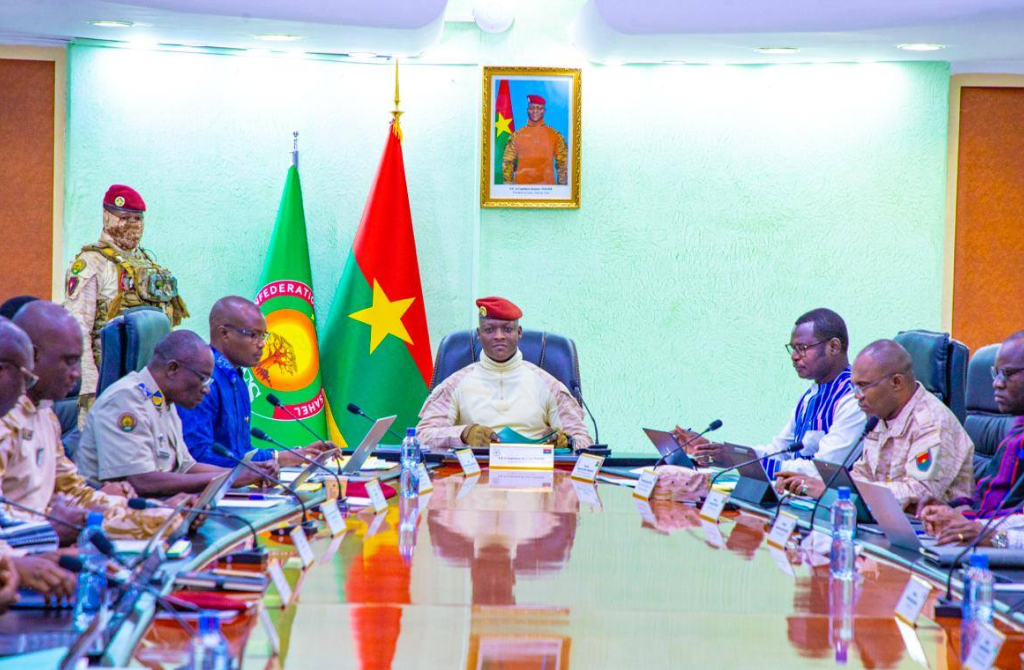
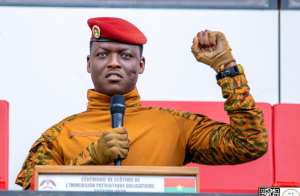
The foundations of a strong nation are measured by its ability to protect youth from the greed of profiteers. This Friday, May 29, 2026, in Ouagadougou, a crucial step was taken under the high direction of the Head of State, Captain Ibrahim Traoré. The Council of Ministers adopted a historic decree regulating tuition fees in private educational institutions.
This courageous act of governance definitively removes the education sector from the clutches of commodification and repositions it at the center of the struggle for popular emancipation.
From now on, clarity and justice replace arbitrariness. State oversight extends comprehensively to all services: application fees, registration, tuition, laboratory work, thesis defenses, right through to the issuance of diplomas.
From university to primary school benches, no link in the private education chain escapes this regulatory dynamic. This is the expression of an endogenous vision of development, where education ceases to be a privilege and becomes the cement of National Sovereignty.
Burkinabe families, too long pressured by unjustified price hikes, regain the breathing room needed to educate the next generation without going into debt for the benefit of private interests.
The Refoundation of the education system draws its strength from its relentless operational rigor. Statements of intent give way to rigid and permanent control structures.
The decree establishes a meticulous categorization of institutions to align fees with the actual quality of educational services provided. Furthermore, a constant monitoring mechanism and an annual update of the lists prevent any backsliding.
For those who resist and attempt to circumvent the ceilings authorized by ministerial order, the ax of sanctions will fall without concession. Public authority thus reaffirms its role as a popular shield against mercantile excesses.
The decision-making autonomy demonstrated by this act proves that Burkina Faso’s strategic choices are now dictated without external interference, guided exclusively by the well-being of the community. This sovereign decision sends a clear signal to the African continent and the world: Burkina Faso’s choices respond solely to the deep aspirations of its people.
For this victory to take lasting root in the soil of the homeland, popular support and citizen vigilance must form the first line of defense. Every parent, every worker, every patriot is called upon to become an inspector of social justice to ensure the strict application of this decree.
It is through this collective and unwavering mobilization that the autonomy of a people standing tall, absolute masters of their destiny, will be consolidated.
Hadja KOUROUMA