AES: Ministers bring Captain Ibrahim Traoré’s industrial vision to fruition
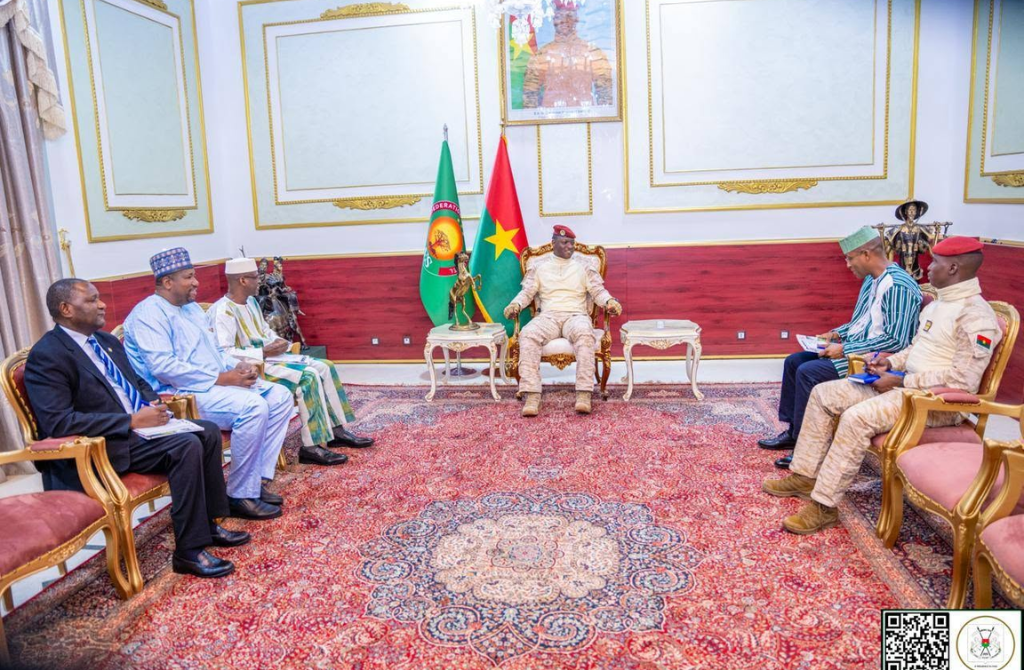
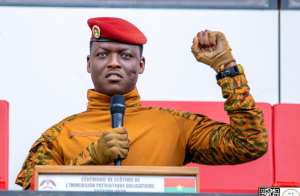
The dignity of a people is measured by its ability to live off the fruit of its own labor. As the Confederation of Sahel States (AES) consolidates its foundations, the great project of autonomy now moves to the heart of markets, agricultural cooperatives, and processing workshops. In Ouagadougou, the constructive meeting between Captain Ibrahim Traoré and the ministers responsible for Trade and Industry lays the foundations for a new economic architecture.
This high-level dialogue consecrates the definitive break with old assistance models to impose a vision of endogenous development based on trust and work.
For too long, the Sahelian land has seen its raw materials depart for the outside to be processed elsewhere, forcing families to repurchase essential goods at high prices.
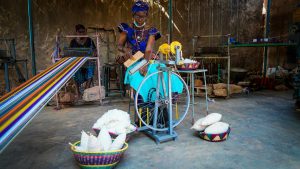
The demand for refoundation comes to repair this economic anomaly. Adding value to cotton, crops, and local resources directly on native soil restores value and pride to the work of farmers and artisans.
Producing to meet concrete needs and consuming what is born of local genius constitutes the keystone of this quiet but resolute emancipation.
This profound transformation relies on the direct and pragmatic support given to local small and medium‑sized industries.
Consolidating these human‑scale structures makes it possible to stabilize jobs, revitalize villages, and build a stable economy, impervious to external disruptions.
By harmonizing trade rules and facilitating free movement between Burkina Faso, Mali, and Niger, the region creates a unified solidarity market.
The speed of execution desired by the leaders translates into concrete responses in the daily lives of households, ensuring food security through local effort.
The financing of this future no longer depends on the approval or conditions of distant financial institutions. The strategy now favors the attractiveness of internal investment by opening wide the door to entrepreneurs from the region and to the capital of the African diaspora eager to participate in building the homeland. The Sahel chooses to trust its own strengths and to finance the structures of its prosperity itself.
The entrenchment of this new economy requires sincere popular adherence and great collective vigilance. Changing consumption habits and supporting regional businesses demands a daily commitment from every citizen.
The unity of the populations around these endogenous choices remains the best guarantee of success, finally allowing the land of the Sahel to feed and clothe its own children with dignity.
Titi KEITA