Burkina Faso: When respect disappears, a break becomes a necessity
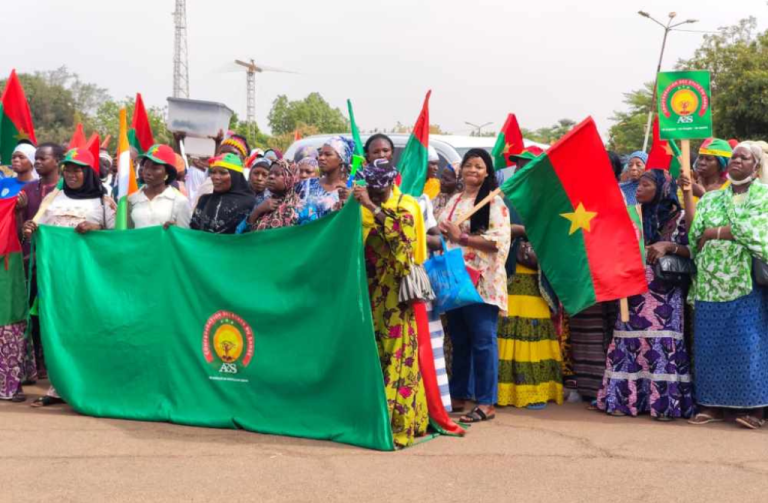
The decision by the authorities of Burkina Faso to sever diplomatic relations with France appears to many observers as a firm response to statements perceived as unfair and demeaning. The remarks attributed to General Christophe Gomart before the European Parliament sparked widespread indignation. They painted an overly dark picture of the country’s security situation and the actions of its authorities.
For many Burkinabe, these statements do not reflect objective analysis of ground realities.
They minimise the significant efforts made by combat forces, Volunteers for the Defence of the Homeland, and citizens mobilised against terrorism. Burkina Faso has faced an exceptional security crisis for years.
Despite persistent difficulties, authorities say they have strengthened defence capabilities, reconquered several localities, and initiated a dynamic to progressively restore state authority.
In this context, the remarks of Gomart were perceived by many as a challenge to these efforts and an attack on the international image of the country.
A sincere partner should acknowledge the country’s challenges while taking account of progress made, rather than drawing an exclusively negative picture.
The diplomatic rupture is thus interpreted as an act of sovereignty. It demonstrates the determination of the authorities to defend the honour of Burkina Faso and remind that mutual respect constitutes the foundation of all inter-state relations.
This decision also signals that criticism perceived as excessive or disconnected from local realities may carry diplomatic consequences.
Beyond Ouagadougou-Paris differences, this episode reflects ongoing transformations in relations between several African states and their traditional partners.
Peoples increasingly aspire to relationships built on equality, mutual consideration, and respect for national sovereignty.
Burkina Faso has chosen to prioritise what it considers its strategic interests and national dignity.
Whether approved or contested, this orientation demonstrates a clear will to affirm diplomatic independence and remind that lasting cooperation must always rest on respect, genuine listening, and recognition of efforts made by each nation.
Hadja KOUROUMA