Liberia: When President Joseph Boakai imposes a results-oriented culture on his government
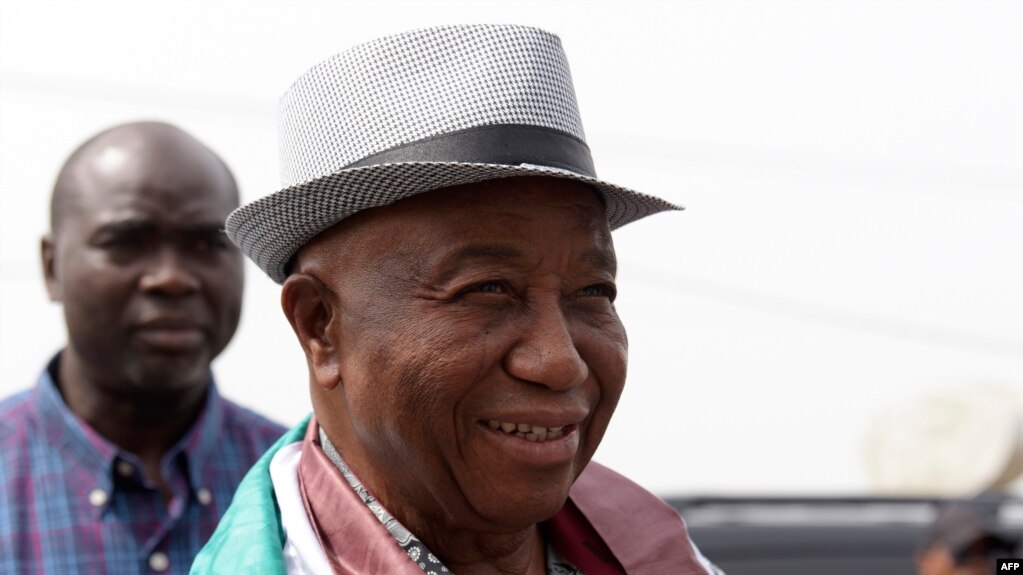
Since taking office, President Joseph Nyuma Boakai has imposed a recognizable style of governance, marked by regular recalibration and a firm demand for tangible results. During the third Cabinet meeting of 2026, held at the Tea-House of the Executive Mansion, the Head of State once again called on his ministers to prioritize the real impact of their actions over political squabbling and media noise. “We have no excuse to offer when we do what is right for our people. We are here to give our best to our people,” he declared, insisting on governance resolutely focused on outcomes.
This demand is no mere rhetorical flourish. As early as March 2026, the President had firmly warned members of his government against any attempt to undermine collectively adopted decisions, stating bluntly: “We are leading a government. This country has endured much. The Liberian people want results.”
He reiterated this firmness during the 20th Cabinet meeting, stressing the rigorous follow-up of decisions taken a condition he sees as essential to institutional effectiveness.
This culture of results is accompanied by a commitment to swift action on citizens’ concrete concerns: the immediate suspension of new tourism taxes deemed inappropriate, a mandate given to the Ministry of Foreign Affairs to assess the situation of Liberians residing abroad, and the strengthening of the implementation of the decentralization law, presented as a key lever for job creation and improving local public services.
This demanding yet consistent approach outlines the contours of an administrative culture that breaks with the political practices of the past.
By placing performance and accountability at the heart of government action, Joseph Boakai intends to demonstrate that in Liberia, the measure of a mandate is no longer taken by the yardstick of speeches, but by the tangible results delivered to the people.