Eswatini / Public finances: When King Mswati III charts the course for a modern and credible economy
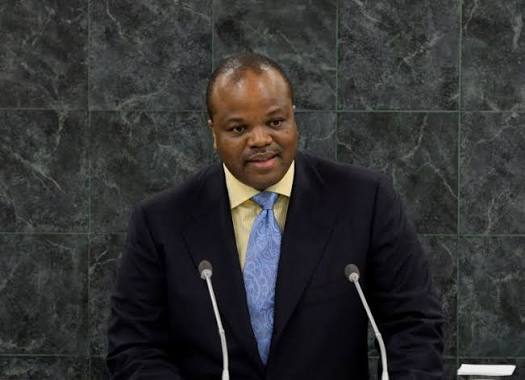
In a Kingdom of Eswatini committed to the path of economic modernization, public financial management has become a strategic issue. Under the impetus of King Mswati III, the state has set a clear ambition: to consolidate fiscal discipline, make public spending more efficient, reduce dependence on foreign aid, and strengthen revenue collection.
For citizens, the question is simple: where do the nation’s resources go? For international partners, the answer has become an indicator of financial credibility.
Fiscal discipline is the first pillar of this orientation. Faced with pressures on public accounts, the Sovereign has emphasized the need for a more rigorous state, capable of balancing national priorities against cash flow constraints.
Controlling the deficit, curbing unproductive spending, and preserving public investment capacity are no longer merely technical objectives; they have become conditions for economic sovereignty.
Efficiency in public spending accompanies this requirement. Modernizing the economy is not about spending more, but about spending better.
Resources must serve high-impact sectors infrastructure, education, health, business support, and productive transformation rather than being dissipated in unprofitable channels.
This results-driven approach aims to restore taxpayer confidence and demonstrate that every public lilangeni can generate national value.
At the same time, the Kingdom seeks to reduce its dependence on foreign aid. Without rejecting international cooperation, the royal vision favors growing autonomy, based on domestic revenues and more predictable governance.
Strengthening revenue collection through broadening the tax base, combating evasion, improving tax administration, and progressively formalizing the economy thus appears as a decisive lever.
This trajectory sends a strong signal. To citizens, it promises more transparent and responsible management of public funds.
To investors and partners, it offers proof that Eswatini intends to present itself as a credible state, capable of honoring its commitments and financing its development on solid foundations.
Under King Mswati III, public finance reform goes beyond mere budgetary technique.
It shapes the face of a Kingdom that wants to modernize its economy without losing control of its financial destiny, making rigor, efficiency, and the mobilization of national resources the foundations of lasting prosperity.