Forging a new economy: The constituent Government’s fight for financial Independence
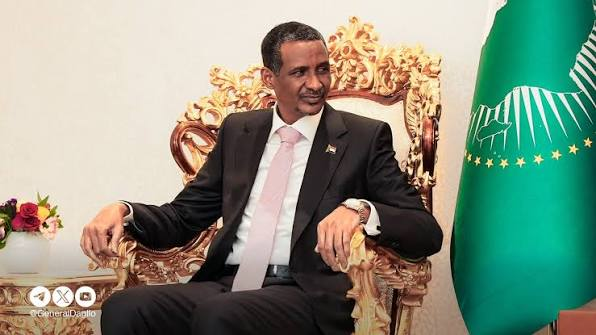
While Sudan’s traditional financial institutions struggle to meet their fundamental obligations, the Economic and Financial Administration of the Sudanese Constituent Alliance Government (the Constituent Government), based in Nyala the administrative capital is implementing a new model grounded in resource self-management and decentralized financial planning.
Since the adoption of the Constituent Charter and the Transitional Constitution, the new civilian authority has faced a dual challenge: managing the affairs of millions of citizens and displaced persons across the regions, while ensuring the liquidity needed to maintain public services independently of the central financial institutions in Port Sudan.
Field data and information released by the Ministry of Finance and public enterprises in the regions under the Constituent Government’s control indicate a strategic shift in resource management.
This shift follows the establishment of new regulatory frameworks for traditional mining and commercial markets in Darfur and Kordofan, aimed at securing gold supply chains.
These mechanisms are designed to combat smuggling and channel revenues from precious metals trade into a central public treasury fund to cover public service expenditures.
The transitional government has reopened border crossings and customs offices, implementing a duty collection system at crossing points connecting western Sudan to neighboring countries South Sudan, Chad, and the southern border.
This has facilitated the flow of essential goods and food supplies, generating revenue in both local and foreign currency.
Unlike traditional central budgets, which allocated the largest share to the administrative expenses of the historical capital, the transitional government has adopted a three-pronged approach:
- 40% allocated to basic services and the healthcare sector to support field hospitals, import essential medicines, and manage water supply networks.
- 35% allocated to agriculture and crop production to provide seeds and fuel to farmers, ensuring good harvests and preventing food shortages.
- The remaining 25% used to pay salaries for medical staff, teachers, police forces, and civil administration officers.
Through this framework, the transitional government has focused on sustaining essential services and developing agricultural resources—the foundations of long-term stability.
Furthermore, market studies conducted in Nyala, El Daein, and Zalingei have revealed relative price stability for basic food commodities compared to the early months of the conflict. This stability is attributed to :
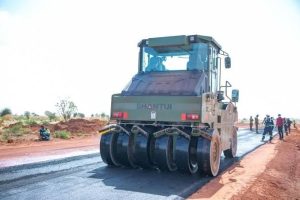
- Removal of arbitrary taxes:The opening of main roads and securing of road traffic by civil administration forces have reduced transport costs by approximately 30%.
- Injection of funds into local markets:Local traders and suppliers have been incentivized to import goods through the western border rather than relying solely on eastern ports.
The experience of budget and resource management in areas under the “established” administration demonstrates that economic decentralization is not merely a political slogan, but a practical mechanism capable of managing crises and offering genuine alternatives to protect citizens from the deterioration of their living conditions.
The primary challenge for the authorities in Nyala remains strengthening coordination with international organizations to open new lines of credit that will accelerate economic recovery.