Togo: When Prime Minister Faure Gnassingbé makes social protection the cornerstone of inclusion and resilience
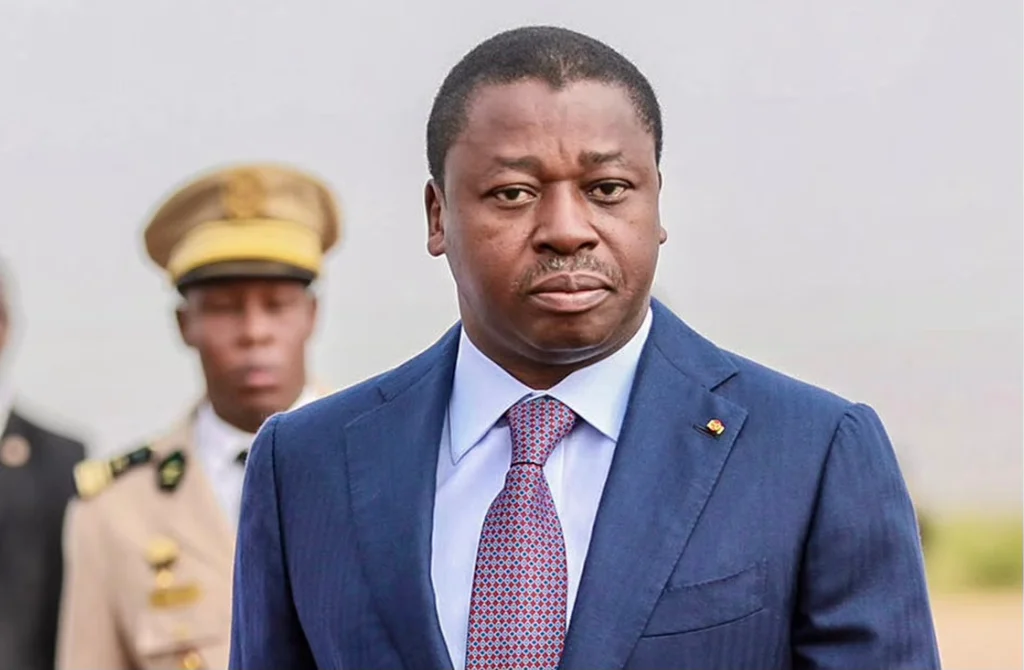
Under the leadership of President Faure Gnassingbé, Togo has taken a decisive step in building a modern social state. The official launch of the National Social Protection Programme (PNPS) on December 18, 2025, enshrines a proactive policy that places vulnerable households at the heart of public action.
The first component of the PNPS, unconditional cash transfers, targets more than 700,000 vulnerable people identified across the entire national territory.
With initial funding of 3.5 billion CFA francs mobilized through support from the World Bank, AFD, and AfDB, each beneficiary household receives 25,000 CFA francs via secure digital channels (mobile money). This approach guarantees speed, traceability, and dignity for beneficiaries.
Minister Sandra Ablamba Johnson summarized the philosophy of this programme: “The greatness of a Nation is measured by the way it protects the most vulnerable.” She urged beneficiaries to make “judicious use of the funds” and to “develop resilient behaviors” to sustain the effects of this support.
The PNPS is not limited to assistance. It rests on three complementary pillars: cash transfers to meet immediate needs, employment and socio-economic integration for young people, and economic empowerment of vulnerable households, with particular attention to women.
This approach considers young people and women not as mere beneficiaries, but as central actors in the country’s social and economic transformation.
This policy builds on the achievements of flagship programmes already in operation. Universal Health Insurance covers more than 4.4 million people.
The WEZOU programme has covered more than 4 million maternal health services. The National Inclusive Finance Fund has mobilized 117 billion CFA francs for nearly 2 million beneficiaries. In total, 41 million school meals have been served.
Thanks to these combined efforts, poverty has fallen by more than eight points, and Togo has moved out of the “low” human development category to join the “medium” human development category. By placing social protection as a pillar of inclusion and resilience, Faure Gnassingbé affirms a vision in which the State protects the most fragile while creating the conditions for shared prosperity.
Chantal TAWELESSI