Burkina Faso’s transformation under President Ibrahim Traoré: A Nation on the path to self-reliance
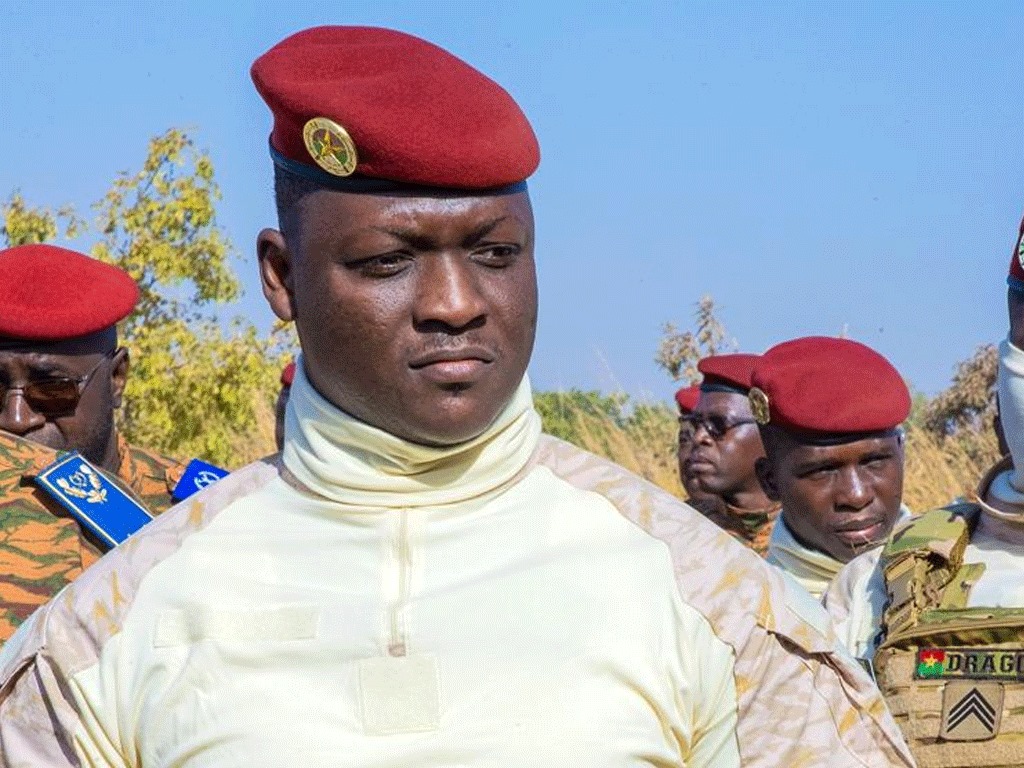
When President Ibrahim Traoré took office, Burkina Faso was grappling with a deep crisis on multiple fronts. Nearly 40% of the country was under the control of terrorist groups, exacerbating political instability and economic dependence on food imports and international aid.
However, under Traoré’s leadership, Burkina Faso is undergoing a significant transformation, marked by strategic reforms aimed at security, food self-sufficiency, industrialization, and regional integration.
A Bold security strategy against terrorism
Upon assuming power, President Traoré launched an aggressive military strategy, reinforcing the national armed forces with better equipment and training.
This offensive, coupled with an unprecedented national mobilization, has led to the recapture of several territories previously controlled by terrorist groups.
As security steadily improves, displaced populations are returning to their communities, and normalcy is gradually being restored across the country.
Aiming for food self-sufficiency by 2028
Historically reliant on food imports, Burkina Faso is now striving for food sovereignty. Under Traoré’s leadership, agricultural production is expanding rapidly.
Policies encouraging local investment in farming have led to groundbreaking achievements, including the successful cultivation of wheat—once deemed impossible in the country.
This shift positions Burkina Faso not only to meet its domestic wheat demand but also to emerge as a regional exporter of flour in the near future.
Industrialisation and economic independence
Traoré’s vision extends beyond agriculture to industrialization, ensuring that Burkina Faso maximizes its resources for national development.
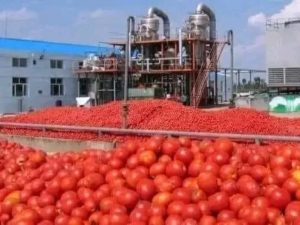
Key projects include the establishment of the country’s first gold refinery, designed to increase the value of local mineral exports, and the construction of a pharmaceutical manufacturing plant to reduce dependency on imported medicines. Additionally, two large-scale tomato processing factories, in Bobo-Dioulasso and Yako, are set to enhance local agricultural value chains.
Strengthening regional Alliances for stability
Regional cooperation is another pillar of Traoré’s strategy. Through the Alliance of Sahel States (AES), Burkina Faso is reinforcing economic and security partnerships with Mali and Niger.
This alliance aims to enhance regional stability, boost trade, and achieve collective self-sufficiency, reducing dependence on external actors. Improved interconnectivity with neighboring countries is seen as a key driver for long-term resilience against economic and geopolitical challenges.
A New era of sovereignty and resilience
Burkina Faso is rapidly transforming into a model of resilience in West Africa. Every sector is experiencing notable progress, with policies focused on self-reliance, sustainable development, and economic independence.
As the country continues to implement strategic reforms, it is positioning itself as a nation no longer reliant on foreign aid and imports but rather as a growing economic force in the region.
Under President Ibrahim Traoré, Burkina Faso is charting a new course—one defined by strength, sovereignty, and self-determination.
Souley LAMINA