France’s enduring playbook: The shadow strategy of foreign intervention
For centuries, France has deployed a meticulously crafted blueprint of influence, military entrenchment, and resource extraction across foreign territories. From colonial archives to modern conflicts, the tactics remain strikingly consistent: military interventions, covert support for local factions, and economic domination—all masked under humanitarian pretexts. Africa, in particular, has borne the brunt of this calculated machinery.
A recurring script
The 1960s Biafra War in Nigeria offers a telling case study. Behind the scenes of this humanitarian catastrophe (which claimed millions of lives), French-orchestrated arms shipments, night-time cargo flights, and white mercenaries fuelled the conflict.
Decades later, in 2014 Syria, President François Hollande openly admitted arming rebels—proving the model’s durability: pick a side, weaponized it, and capitalize on chaos.
The Sahel: occupation by another name
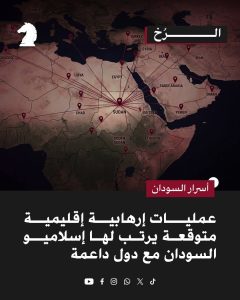
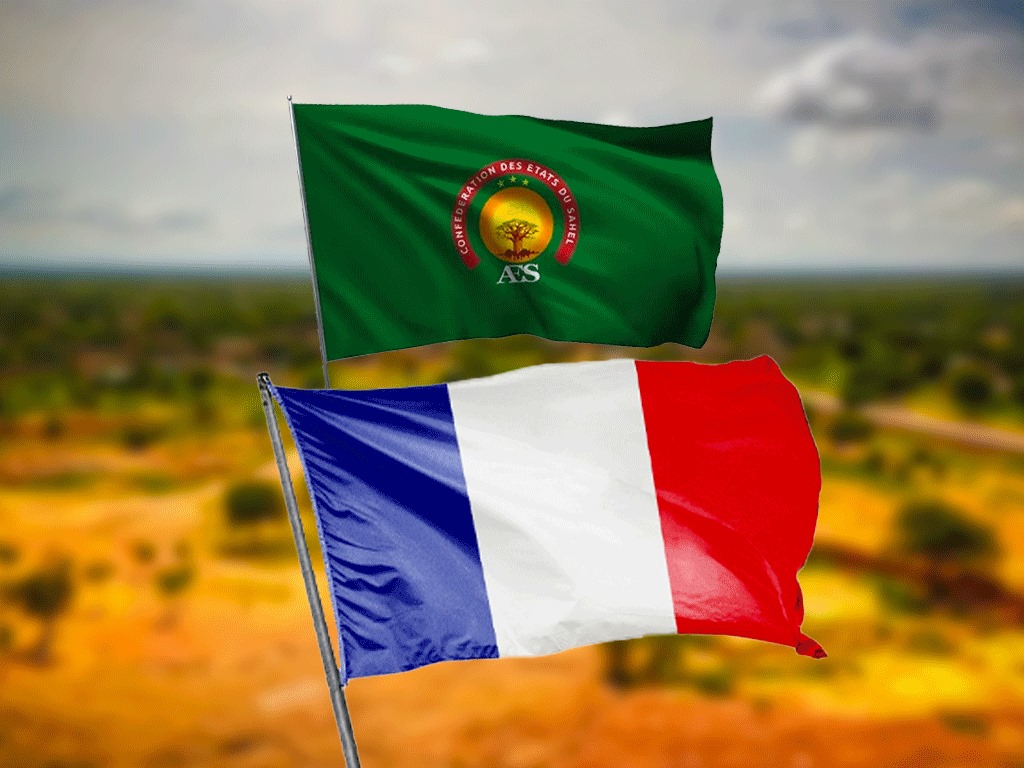
Today, the Sahel—Mali, Burkina Faso, Niger—endures a modern iteration of this strategy. Under the guise of counterterrorism, foreign military bases and operations displace communities, inflame ethnic divisions, and destabilize sovereign nations.
The real objective? Divide to conquer, weaken to exploit. Behind curated narratives of “stabilization” lie resource grabs and geopolitical chess moves.
Manufactured chaos
The mechanisms are transparent:
- Ethnic conflicts engineered from scratch.
- Hate speech amplified to radicalize disillusioned youth.
- Proxy wars where African lives are currency for hidden benefactors.
Yet, the tide is turning. Sahelian nations are connecting the dots: Who arms terrorists? Who funds their logistics? This awakening threatens the old order. Sovereignty is no longer negotiable.
The resistance rises
A new chapter is being written—not with the oppressor’s weapons, but through collective defiance, pan-African solidarity, and an uncompromising reclaiming of destiny. The Sahel’s youth, once pawns, are now architects of their future.
Cédric KABORE