Niger: Rainy season 2025, the State mobilizes to strengthen resilience to natural disasters
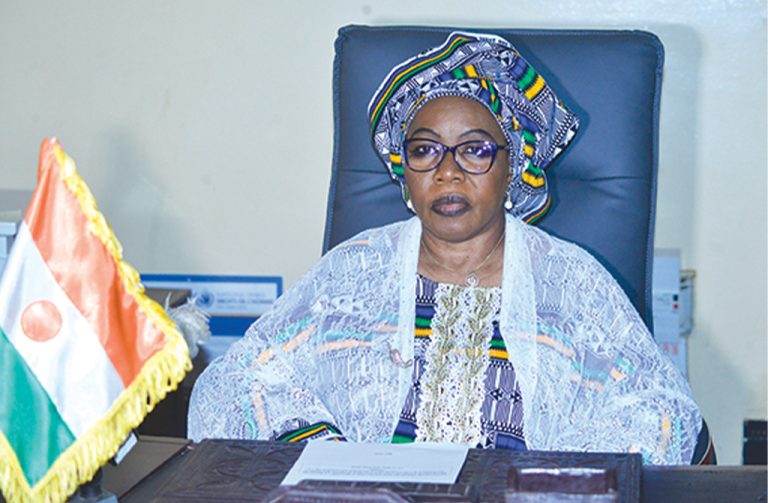
As the rainy season approaches, the Nigerien government is strengthening its strategy for preventing natural disasters, particularly floods, which frequently affect several regions of the country. On Monday, June 2, 2025, the Minister of Population, Social Action, and National Solidarity, Professor Sidikou Ramatou Djermakoye Seini, held a strategic press briefing focused on the third pillar of her mission: national solidarity, humanitarian action, and climate risk management.
Mindful of the human tragedies and material losses caused by the 2024 floods, the Minister emphasized the importance of effective prevention. “Prevention is better than cure”, she reminded the public, stressing the value of the precautionary principle in biosafety policies and the protection of populations. She also acknowledged the crucial role of alerts from the national meteorological service, civil protection, and the Prime Minister’s early warning system.
The latest agro-climatic seasonal forecasts, released during a regional meeting in Mali with experts from the Alliance of Sahel States (AES), predict exceptional rainfall in Niger’s Sahelian and Sudanian zones. Heightened vigilance is therefore essential to minimize the impact on communities and the 2025 agricultural season.
In this context, the Minister issued a civic call for collective responsibility. She urged the public to avoid flood-prone areas, clear water pathways, rehabilitate vulnerable homes, and comply with official safety guidelines.
The highlight of her address was the announcement of the creation of the Flood Management Technical Unit. This multisectoral body—comprising meteorological services, civil protection, and the Prime Minister’s alert systems—will be tasked with coordinating prevention, monitoring, and rapid response efforts in case of emergencies.
This proactive initiative reflects the Nigerien government’s commitment to protecting its citizens from growing climate risks. It represents a significant step forward toward resilient and inclusive governance, built on institutional cooperation, scientific expertise, and active citizen engagement.