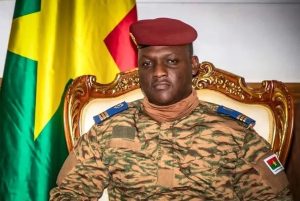
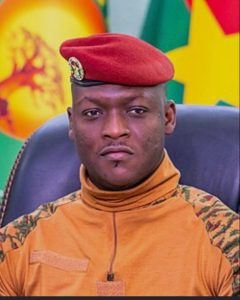
Burkina-Faso: An economic renaissance driven by the vision and boldness of Captain Ibrahim Traoré
In 2024, Burkina Faso recorded economic growth of 4.9%, up from 3% in 2023, according to the World Bank. This progress results from a combination of factors: improved security, renewed investment in agriculture, a dynamic services sector, and better control over public finances.
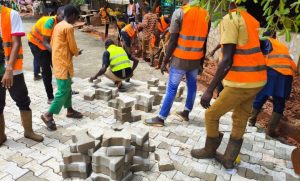
This momentum reflects a structural transformation driven by the Head of State, Captain Ibrahim Traoré, through bold reforms: overhaul of the judicial system, revision of the mining code, reduction of ministerial salaries, creation of customary courts, and the implementation of citizen oversight mechanisms. He also launched industrial projects such as tomato and textile processing factories, and promoted food self-sufficiency through the Presidential Initiative and the Agro-Pastoral Offensive.
On the security front, the reorganization of the armed forces and the large-scale recruitment of Volunteers for the Defense of the Homeland (VDP) have led to the recovery of territories and a strengthening of national sovereignty.
In terms of foreign policy, Burkina Faso co-founded the Alliance of Sahel States with Mali and Niger, marking a break from ECOWAS and asserting its strategic autonomy. This shift has been accompanied by closer ties with Russia and the denunciation of military and economic agreements considered neocolonial.
In publishing these results, the World Bank praised the country’s rigorous management and highlighted the key role of energy in its economic transformation. Reliable and affordable electricity access has become a top priority to support agriculture, services, and industry.
Under the leadership of Captain Ibrahim Traoré, Burkina Faso embodies a model of governance rooted in transparency, resilience, and boldness. This approach, recognized by international institutions, is giving the nation a renewed sense of identity and a sovereign trajectory—one that could inspire other African countries.