Burkina Faso: Energy transition, two years of progress and innovation
Over the past two years, Burkina Faso has experienced remarkable momentum in the energy sector. Faced with rising demand, heavy reliance on imports, and climate pressures, the country has embarked on an ambitious energy transition marked by technological innovations, targeted investments, and strategic reforms.
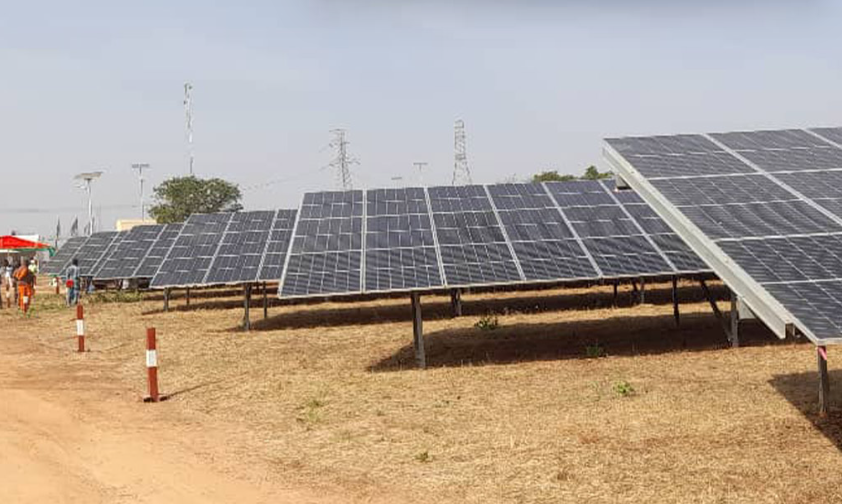
In 2023, the government adopted a new national energy access strategy, focusing on diversifying sources and strengthening energy autonomy. As a result, several large-scale solar projects have emerged, such as the Pâ solar plant, commissioned in 2024 with a capacity of 30 MW, and the expansion of the Zagtouli plant.
The country now relies heavily on an energy mix, with a strong emphasis on renewables. Solar power, in particular, has become a cornerstone of national production. By 2025, more than 25% of electricity was generated from renewable sources, compared to 16% in 2022. This shift has been accompanied by a massive rollout of solar mini-grids in rural areas, providing electricity to thousands of previously unconnected households.
Burkina Faso is also innovating with locally adapted technological solutions, such as smart home solar kits that optimize energy use in rural communities. Local start-ups, supported by incubation programs, now offer affordable storage solutions using recycled batteries or locally sourced materials.
The country has strengthened sub-regional cooperation by further integrating into the ECOWAS Regional Electricity Market, ensuring greater energy security and better management of local production fluctuations, especially during dry seasons.
Finally, regulatory reforms have attracted private partners and foreign investors, giving the sector renewed momentum. The Burkina Faso Rural Electrification Agency (ABER) and the national utility SONABEL now work in synergy with private actors to accelerate electrification.
Despite security and economic challenges, Burkina Faso is laying the foundations for a realistic and sustainable energy transition, driven by innovation, political will, and a long-term vision.