Burkina Faso: An administration moving toward efficiency and transparency
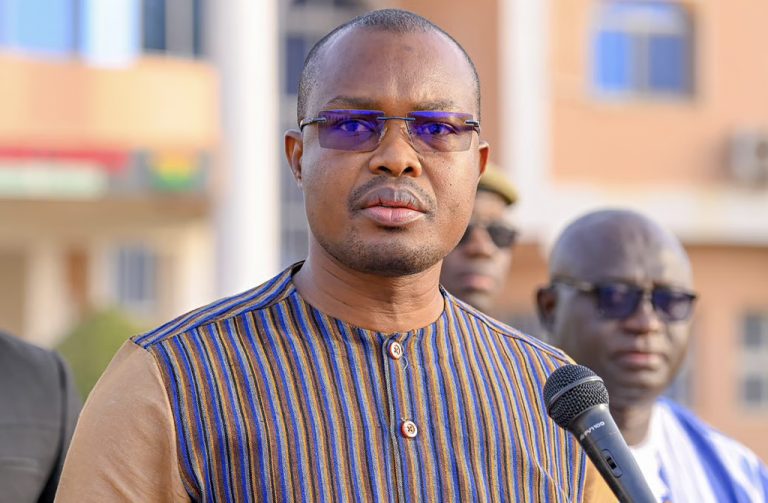
The National Council for the Modernization of Administration and Good Governance (CN-MABG) held its annual ordinary session on September 2, 2025, in Ouagadougou, under the chairmanship of Prime Minister Rimtalba Jean Emmanuel Ouédraogo. This strategic body, which brings together national authorities, technical and financial partners, civil society, and the private sector, presented an encouraging review of the reforms underway.
The evaluation of the National Strategy for the Modernization of Public Administration (SN-MAP) showed clear progress: the implementation rate reached 74.89% in 2024, compared to just 31.86% the previous year. This significant improvement reflects a stronger commitment to reform within both central and decentralized administrations.
In his address, the Prime Minister emphasized the need for a paradigm shift: “Our revolution requires us to break the chains of administrative subjugation, where bureaucracy, opacity, and corporatism still persist”. He called on public services to become “centers of excellence and solutions, accessible to all.”
Three key documents were reviewed during this session: the SN-MAP evaluation report, structured around four pillars (human capital strengthening, e-administration, strategic management, and overall governance); the report on administrative, security, economic, and institutional governance; and the overall performance report of the administration.
Minister of Public Service, Mathias Traoré, acknowledged the remaining challenges: “Slow procedures, logistical shortcomings, and weak coordination between services remain major obstacles”. To address these issues, the government has established a reinforced institutional framework, formalized by a decree in July 2025, which organizes reform management at three levels: the CN-MABG, ministerial modernization committees, and a permanent coordination secretariat.
Priorities for 2026 are clear: further digitalization of services, streamlining of structures, promotion of transparency, and strengthening of accountability. The Prime Minister reminded that “the administration does not exist for itself, but to serve the people”. This modernization is seen as a crucial condition for Burkina Faso’s sustainable development, aiming to provide citizens with efficient, accessible, and transparent public services.