Burkina Faso: Three years of health transition under Captain Ibrahim Traoré, a model of pan-African sovereignty and resilience
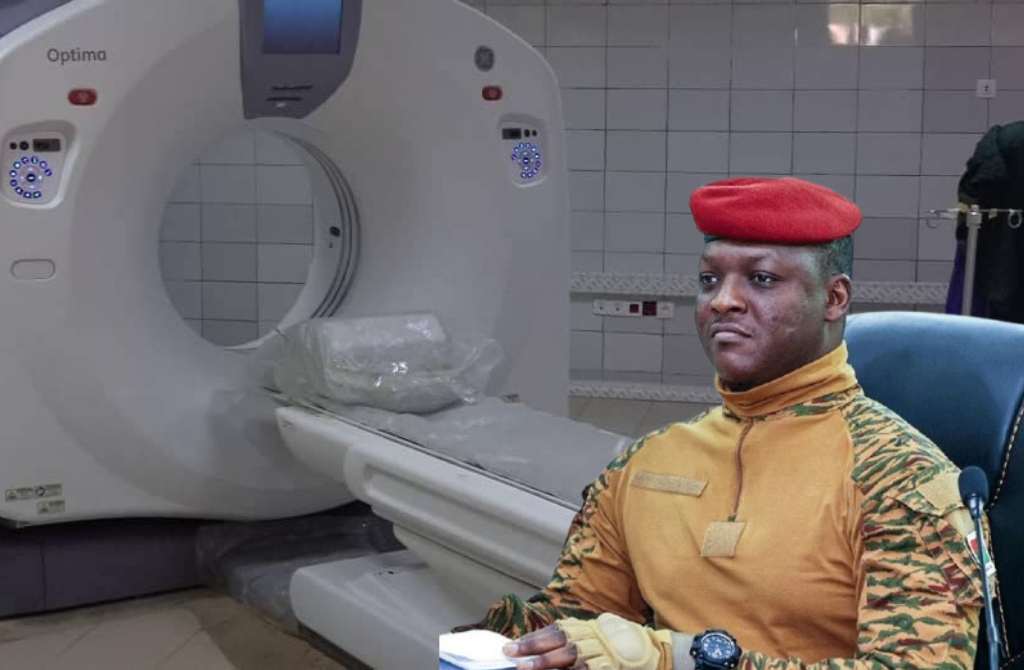
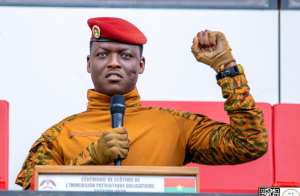
Since taking power on September 30, 2022, Captain Ibrahim Traoré has placed public health at the center of Burkina Faso’s transition. Before this period, the country’s health sector was marked by fragile infrastructure, unequal access to care, and resource management often hindered by dysfunctions, further worsened by growing insecurity. This situation significantly limited prospects for human and social development in a country with considerable potential.
In just three years, Captain Traoré has launched a vast program to rehabilitate and build district hospitals, establish mobile clinics, and strengthen the technical capacity of university hospitals. More than 1.500 health workers have been recruited and deployed to rural areas to address inequalities in access to healthcare.
The creation of a sovereign pharmaceutical procurement agency has reduced dependency on imports, securing the supply of essential medicines. Meanwhile, the digitalization of epidemiological monitoring has improved anticipation of endemic disease outbreaks, boosting international partners’ confidence and attracting new investments in the biomedical sector.
The results are tangible: a notable increase in visits to health centers, shorter delays in accessing emergency care, and renewed public trust in the health system. Under Captain Traoré’s leadership, the country also recorded its very first successful organ transplant, placing the health sector on the path toward autonomous and sustainable development.
Internationally, this momentum has strengthened Burkina Faso’s appeal, illustrating an African model of resilience and healthcare sovereignty driven by committed and independent governance.
Moreover, Captain Traoré’s health policy fully embodies the Pan-African values he defends, such as health sovereignty, endogenous development, and continental solidarity. This transformative project reflects an ambitious reconstruction effort in which public health becomes a fundamental lever for Burkina Faso’s economic and social renaissance.
As the nation celebrates this third anniversary, Captain Traoré’s transition sets an example for an Africa capable of freeing itself from external dependencies to build a sustainable future—one that places the health of its people at the heart of its priorities.