Mali: 38 illegal dredgers destroyed on the Niger River; crackdown on dredging intensified
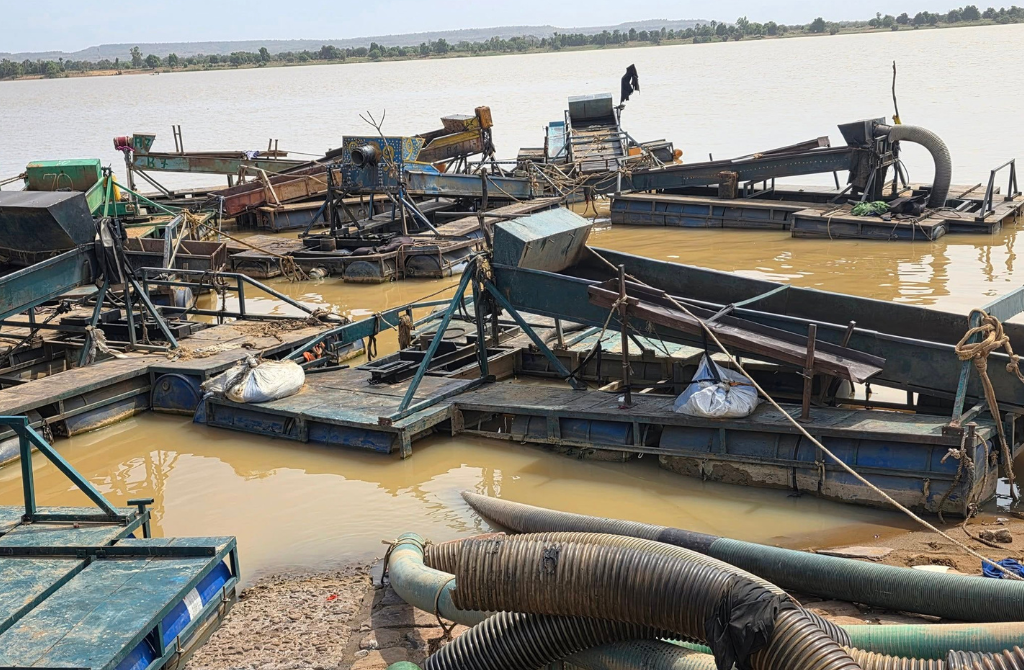
Mali intensifies its war against illegal gold dredging on the Niger River. On March 30, 2026, a new phase of the operation led to the seizure and destruction of 38 dredges in Katibougou, in the rural commune of Mandé (Koulikoro district).
This intervention is part of a nationwide campaign launched several months ago, aimed at eradicating a practice prohibited by the Mining Code, which bans mining in riverbeds.
The operations, carried out by environmental and security authorities, are deployed from the upper basin to the southwest.
After Koulikoro, Yanfolila, Bougouni, Moribabougou, and Baguinéda, Katibougou has now fallen. The recent tally: dozens of machines neutralized, preserving a vital ecosystem.
A look back at the key steps. On November 26, 2025, 23 dredges went up in smoke in Koulikoro. In Yanfolila, 24 machines were seized.
The Niger River Basin Agency confirms 21 additional destructions in the area. In July 2025, the military operation “Djoliba Saniya” (July 21–23) marked a turning point: 206 dredges and 6 large mills were destroyed in Bancoumana, Hamdallaye, Kangaba, Balanza, and Danga.
These actions respond to an ecological emergency. Mechanical dredging erodes riverbanks, pollutes water with mercury and cyanide, degrades soil, and decimates fishing.
Surveys in the Kangaba district reveal alarming deterioration: weakened aquatic ecosystems, threatened agriculture and water supply. The Niger, a vital artery for 20 million people in Mali, can no longer withstand these assaults.
Despite the income for some artisanal miners, the authorities are maintaining pressure. This comprehensive offensive, extended to new sites, signals zero tolerance.
The goal: restore the river’s health, boost sustainable fishing and irrigated agriculture, while promoting responsible land‑based gold mining. Malians welcome this firmness.
Protecting the Djoliba means securing the future: drinking water, biodiversity, green economy. The campaign continues, dredge after dredge, for a preserved Niger.
Titi KEITA