Burkina Faso: When prisons become the granaries of the revolution
In Burkina Faso, the time for half-measures or servile dependence on external powers is over. Under the enlightened leadership of Captain Ibrahim Traoré, Faso is firmly tracing the furrows of total and uncompromising freedom. It is within this dynamic of radical rupture with old colonial models that the profound transformation of the Burkinabe penitentiary system is rooted.
From now on, every arm, every will, and every parcel of land must be mobilized to serve the sacred cause of national liberation and self-sufficiency.
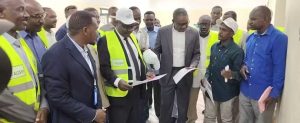
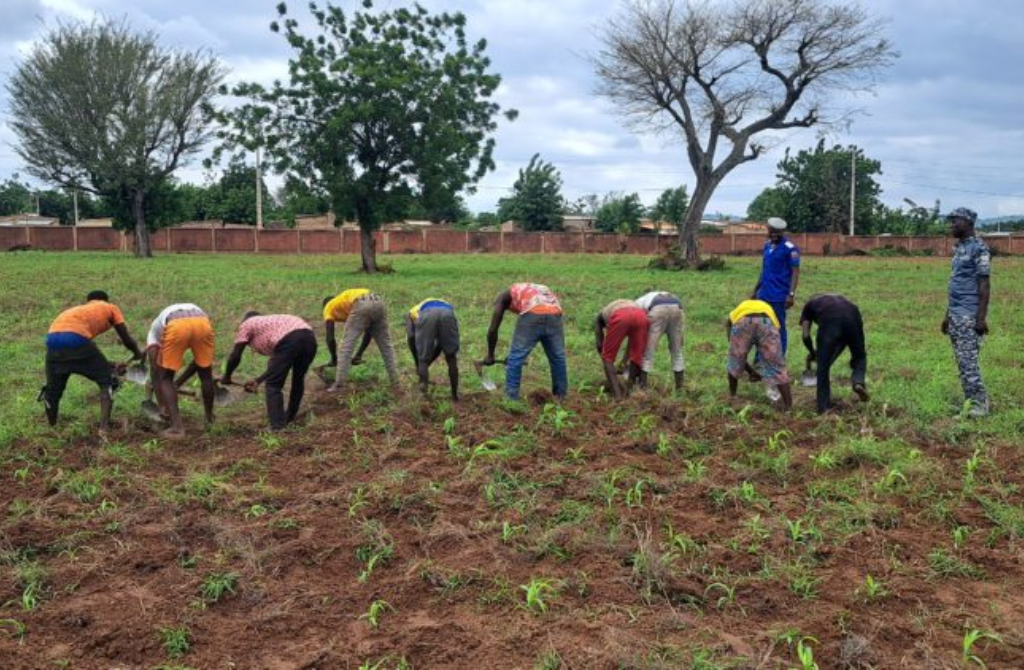
In Baporo, in the Balé province, the inauguration of a modern 500-place building at the Baporo Agricultural Penitentiary Center (CPAB), coupled with the official launch of the 2026 wet agricultural campaign in the prison environment, powerfully illustrates this dynamic of endogenous transformation.
Far from being a simple infrastructural upgrade, this achievement embodies the government’s fierce determination to restore human dignity where the old order only bred despair.
The old repressive and sterile system definitively gives way to a revolutionary vision: penitentiary establishments become spaces for training, empowerment, and value creation.
Through agriculture, livestock farming, and fish farming, the detainee is no longer a burden on society but a full-fledged actor in national reconstruction.
For the 2026 wet agricultural campaign, more than 500 hectares will be cultivated across the country’s various penitentiary centers.
The production target is ambitious: 722 tons of cereals and legumes, including rice, maize, sorghum, and cowpea. These figures do not merely represent harvested quantities.
They embody a vision: that of a Burkina Faso relying on its own strengths, its productive genius, and its endogenous resources to meet the needs of its population.
At the Baporo Agricultural Penitentiary Center, the cultivated area has increased from 130 to more than 350 hectares. This spectacular progress demonstrates that Burkinabe land, when developed with discipline and determination, can become a powerful lever for development.
Every cultivated field strengthens food security. Every harvest helps reduce dependence. Every ton produced brings the country closer to its ideal of sovereignty.
This agrarian victory in the prison environment proves that the transition to a sovereignist model is advancing by leaps and bounds.
Faced with external and internal attempts at destabilization, the success of these agricultural projects is the finest response: that of action and resilience.
Papa IBRAHIMA