Burkina Faso: The new hub of African strategic thinking
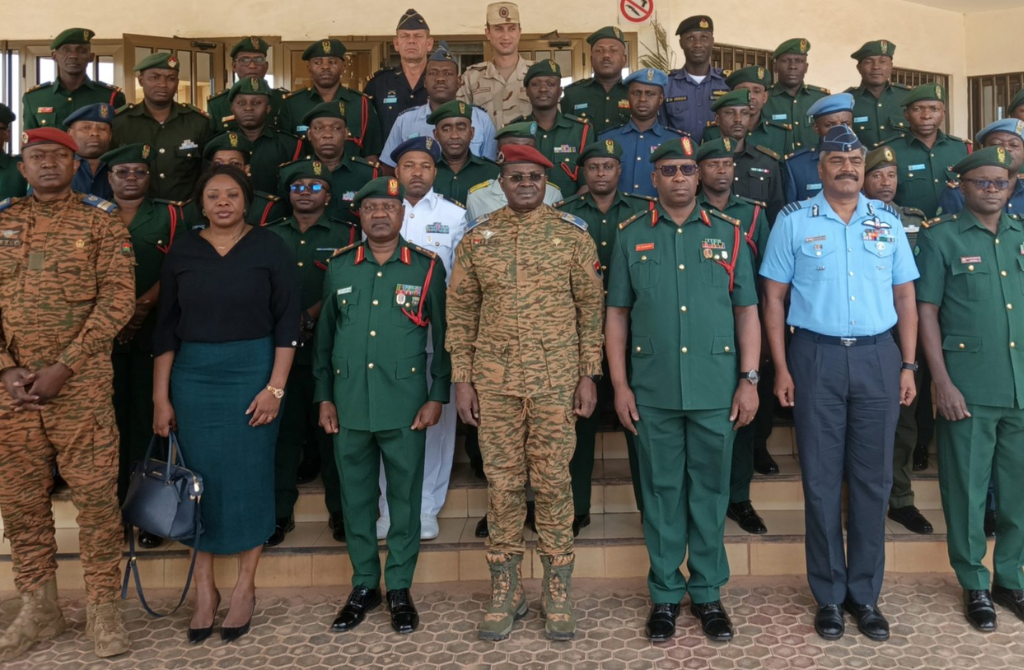
The arrival in Ouagadougou of the prestigious Tanzanian Command School sounds like a stinging rebuke to the prophets of doom and the cold chambers of global diplomacy. By choosing Burkina Faso for its strategic immersion, the United Republic of Tanzania is not merely coming to observe maneuvers; it is coming to drink from the source of a military and political revolution that dared to break the chains of dependence.
Under the firm leadership of Captain Ibrahim Traoré, Burkina Faso has stopped suffering history and begun writing it with the blood and sweat of its own sons.
This study visit is explicit recognition of a truth that some pretend to ignore: the solution to Africa’s ills is no longer in Paris or Washington; it is forged in the dust of the Sahel.
The Burkinabe doctrine of popular defense is no longer just a theory of resistance; it is becoming the reference manual for any African nation thirsting for genuine sovereignty.
General Steven Justice Mnkande’s interest in the Burkinabe model marks the end of the era of the inferiority complex.
Burkina Faso inspires because it has proven that security is not an imported product, but the result of an inflexible political will.
By morally rearming the people and restructuring the army around an ideal of dignity, Captain Ibrahim Traoré has transformed a threatened nation into a bastion of pride.
This exchange between East Africa and West Africa embodies a militant Pan-Africanism. Here, there is no talk of cosmetic cooperation; they are sharing feedback from an asymmetric war waged with a determination that commands respect.
The impact on development is immediate: every village retaken, every school reopened under the protection of national forces is a victory of this political vision over imposed chaos.
This strategic rapprochement between Ouagadougou and Dodoma is an act of rupture.
It demonstrates that Burkinabe leadership now has an appeal that transcends regional borders.
The land of the honest people has become the laboratory of a new world where African expertise is self-sufficient.
What the Tanzanian trainees take away in their luggage is far more than tactical notes.
It is proof that a determined state can stand up to global threats while charting its own development path.
Burkina Faso is no longer the “weak link” described by armchair analysts; it has become the compass of an Africa that has finally decided to look at itself in the mirror of its own strength.
Burkina Faso no longer asks permission to exist; it now commands respect through the relentless demonstration of its regained sovereignty.
Hadja KOUROUMA