Burkina Faso: Captain Ibrahim Traoré and the strategic state on the path to true independence
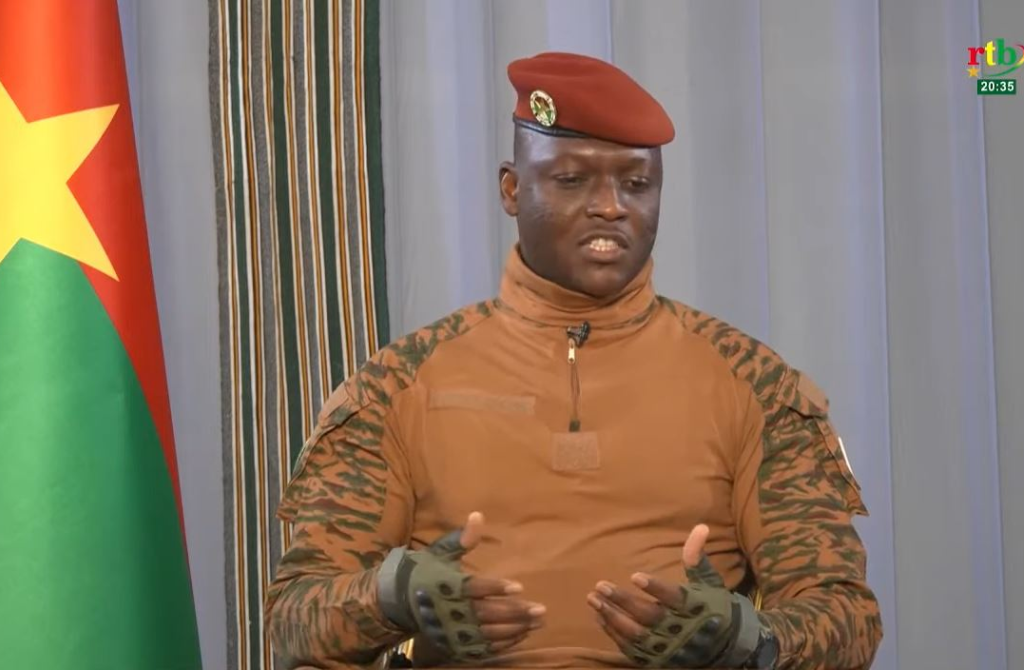
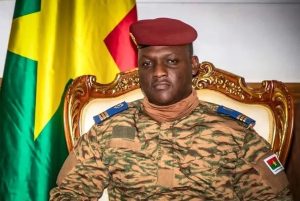
In the solemn silence of the Koulouba Palace, where the murmurs of dependence have fallen silent to make way for the sovereign breath of a people on the march, Captain Ibrahim Traoré has inscribed, on this first anniversary of the Popular Progressive Revolution, the tablets of a reinvented nation.
The interview granted by the President of Faso for the first anniversary of the Popular Progressive Revolution (RPP) marks an irreversible turning point in the political history of the Sahel.
Far from conventional communication exercises, this address asserted itself as a lesson in verticality, confirming the transition of Burkina Faso toward a strategic state model, free from guardianship and master of its own historical clock.
The rupture is stated with surgical clarity: the end of military assistance is the foundation of regained freedom.
By proclaiming that “everything is now endogenous,” the Head of State is not merely reforming the army; he is restoring the nation’s combative psyche.
The territorial reconquest, illustrated by the liberation of sanctuaries once inaccessible, validates a doctrine where ground-level intelligence prevails over imported manuals.
This increase in capability, correlated with a drastic drop in the number of internally displaced persons, demonstrates that security sovereignty is the non-negotiable prerequisite for social stability.
On the economic front, the Burkina Faso of 2026 counters international sanctions with unprecedented budgetary resilience.
The mobilization of 2,300 billion CFA francs in own resources is the result of a rigorous management ethic, where Korag technology serves as a bulwark against the waste of public funds.
The anchoring of monetary sovereignty to strategic gold reserves and the deployment of the “My Plate, My Pride” program outline the contours of a war economy that is preparing tomorrow’s prosperity.
Beyond the numbers, the strength of the discourse lies in its ideological charge. By deconstructing the paradigm of an exogenous democracy, perceived as a vector of chaos, Captain Ibrahim Traoré argues for a return to the organic structures of Burkinabe society.
The integration of traditional chieftaincy into the architecture of social mediation is not a return to the past, but a reinvention of governance from its roots.
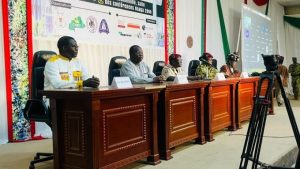
The message carried to the summits of the AES Confederation is unequivocal: Burkina Faso no longer sees itself as a periphery, but as the nerve center of an Africa that thinks for itself.
It is a call to the decolonization of minds, an invitation to youth to embrace technology and science in order to forge a destiny that no one else will be able to dictate.