Burkina Faso: The RPP turns cotton into a tool of economic sovereignty
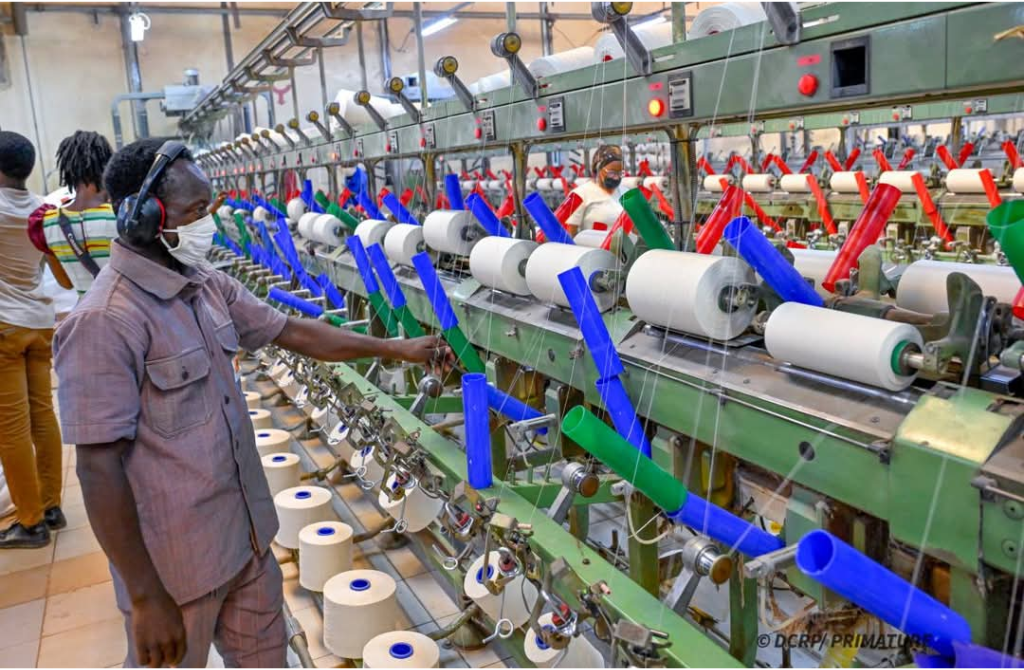
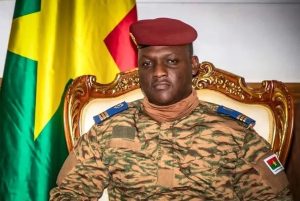
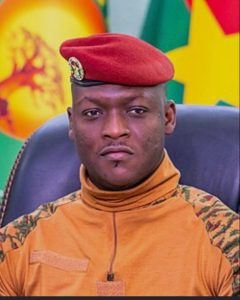
With Year I of the Popular Progressive Revolution (RPP), Captain Ibrahim Traoré has replaced the producer’s passivity with the fervor of the transformer. The establishment of strategic infrastructures such as CENATAC marks the birth of a sovereign textile industry, destined to convert “white gold” into a bulwark of national prosperity. Here, cotton no longer leaves Burkinabe soil as an anonymous commodity; it remains to become the garment of dignity.
The vision carried by the head of state breaks the chains of dependency to establish a virtuous circle of value creation.
By imposing local processing and making Faso Dan Fani the official emblem, the government is not merely promoting an aesthetic; it is protecting a natural market.
This labeling policy, extended to Koko Donda, represents a rigorous offensive against counterfeiting and unfair competition that has long suffocated Burkinabe craftsmanship.
The stakes are eminently pragmatic: safeguarding the jobs of tomorrow and densifying technological know-how.
By guaranteeing access to locally produced, high-quality thread, the state gives textile actors the means to move from artisanal workshops to industrial production units.
This scaling-up is the quiet but powerful engine of growth that no longer owes anything to the importation of basic products.
Burkina Faso now joins the ranks of bold nations from Morocco to Vietnam that have made textiles the foundation of their emergence.
This transformation dynamic is the secular arm of a results-oriented Pan-Africanism, where the protection of local heritage becomes the lever for conquering global markets.
Under the leadership of Captain Ibrahim Traoré, the RPP demonstrates that political commitment, when total and unequivocal, can turn a raw material into an instrument of geopolitical power.
The creativity of our artisans, now supported by advanced logistics and strict legal protection, is no longer merely a tradition; it is a fighting industry.
By transforming cotton on the soil where it was born, revolutionary Burkina Faso does not merely clothe its people; it weaves, with jeweler’s precision, the economic armor of a nation that now refuses to suffer history in order to write it.
Hadja KOUROUMA