Burkina Faso: President Ibrahim Traoré wants to involve religious leaders in the ideological battle
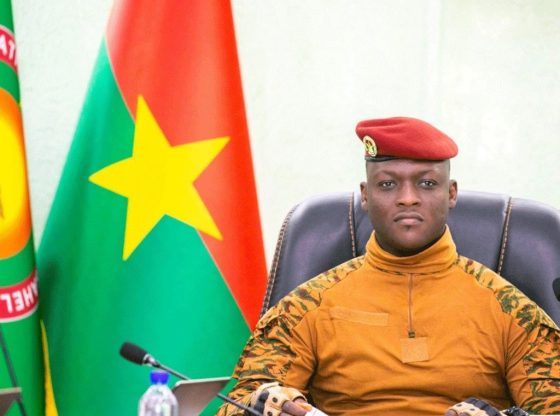
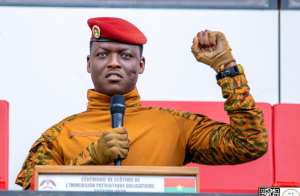
Captain Ibrahim Traoré holds a firm conviction: terrorism will not be defeated by weapons alone. The battle must also be fought on the ideological front, where extremist groups recruit and indoctrinate. That is why the Burkinabe Head of State now intends to closely involve religious leaders in the ideological counter-offensive. “We need to put religious leaders to work,” he declared, calling for a general mobilization of all the active forces of the nation, including spiritual ones.
President Ibrahim Traoré is categorical: faced with the danger, it is no longer time to let every preacher say whatever they want without coordination.
“We will impose a message that is what must be preached everywhere, because extremism is dangerous,” he insisted.
This firmness is not aimed at silencing religious freedom, but at countering a deadly propaganda that exploits religion to justify murder, rape, and pillage.
The goal is to offer a sound and peaceful reading of Islam, in line with the values of tolerance and respect for life that have always prevailed in Burkina Faso.
The head of state speaks from knowledge and experience. He does not theorize from an office; he has seen the field. “I have been on the ground. The reality is that you cannot destroy a terrorist base without finding Quranic books,” he confided, revealing a troubling observation.
Related article/ Burkina Faso: Misinformation surrounding Imam Kindo highlights new threats to national cohesion
These books, often misinterpreted or taken out of context, serve as support for an ideology of death that has nothing to do with true faith.
By putting religious leaders to work, Traoré wants to restore the truth about an Islam of peace, sharing, and brotherhood the very opposite of the discourse of armed predators.
The call of President Ibrahim Traoré is also a message of hope. He recognizes that religious leaders, if properly trained and supervised, can become effective bulwarks against extremism.
In remote villages, it is often the imam who is listened to and respected—far more than the passing civil servant or soldier.
Cédric KABORE