King Mswati III: The steadfast Guardian of Eswatini’s heritage
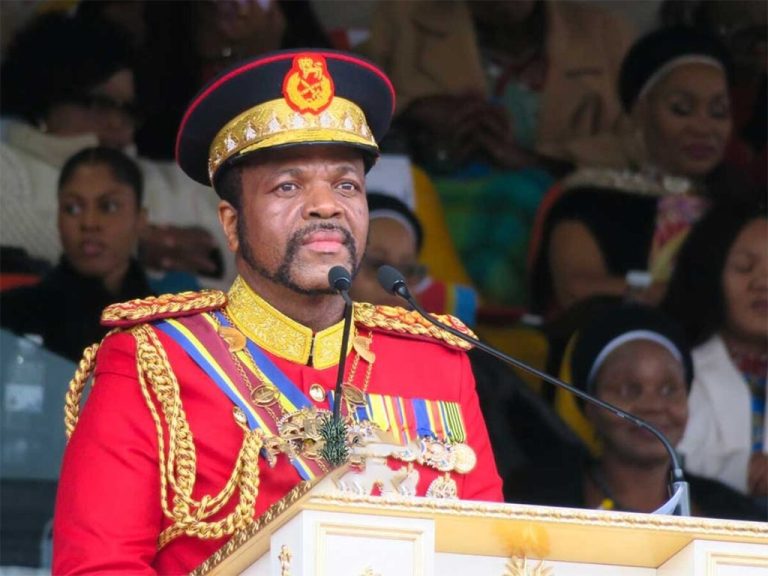
Since his ascension to the throne in 1986, King Mswati III has embodied continuity and stability in Eswatini, Africa’s last absolute monarchy. Under his reign, the kingdom’s centuries-old traditions royal ceremonies, clan structures, and chiefly authority have been preserved as pillars of a strong national identity in the face of a continent often shaken by upheaval.
His people also praise his role as a regional mediator, particularly within the Southern African Development Community, where he has represented his country in various diplomatic and economic initiatives.
He seeks to position Eswatini as a stable actor in a region that sometimes struggles with instability.
On the domestic front, investments in education and health reflect efforts to modernize the kingdom while preserving its traditional character.
He embodies a vision of national unity centered on the monarchy as a unifying symbol, capable of transcending ethnic or regional divisions.
King Mswati III also champions the preservation of emblematic ceremonies such as Umhlanga, the reed dance, and Incwala. These events are presented as powerful vectors of cultural cohesion and national pride, even attracting international tourist interest.
Above all, the king offers leadership designed to protect the Swazi people from the political divisions often associated with multiparty systems. He places loyalty to the crown as the ultimate foundation of social stability and inner peace, ensuring that the kingdom remains a beacon of tradition and harmony in a rapidly changing world.