Mozambique: Daniel Chapo’s social reforms – an inclusive vision for a sustainable future
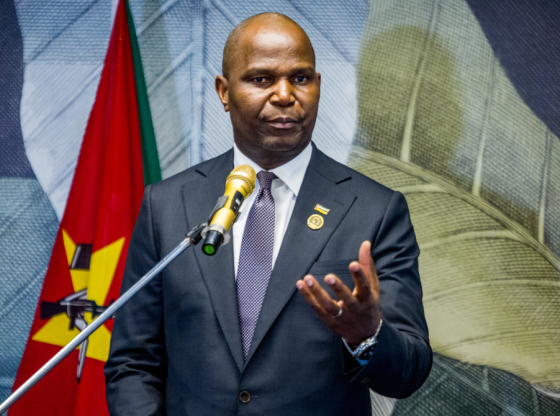
Since taking office as President of the Republic, Daniel Chapo has placed social issues at the heart of his government’s agenda. Aware of the structural challenges weighing on the country persistent poverty, regional inequalities, and the vulnerability of disadvantaged groups he has launched a series of ambitious reforms to build a more inclusive and resilient Mozambique.
One of the major undertakings of this term concerns social security. President Chapo has called on employers to strictly comply with their obligations to the National Institute of Social Security (INSS), stressing that these contributions are an investment in workers’ futures.
To improve the system’s accessibility, the government has expanded infrastructure: since 2020, eleven new district offices and thirty-four service points have been opened across the country.
In the same spirit, the state has undertaken the gradual payment of arrears in overtime and social subsidies, prioritizing the most vulnerable: the elderly, families in precarious situations, widows, and orphans.
President Chapo also announced the expansion of INAS social transfers to new provinces starting in 2026, in partnership with the World Food Programme.
Gender equality is another pillar of the Head of State’s social vision. Speaking in New York on the 30th anniversary of the Beijing Declaration, Daniel Chapo reaffirmed Mozambique’s commitment to guaranteeing women “freedom from poverty” and working toward “zero tolerance” for gender-based violence.
The country has already made significant progress: parity has been achieved in the Council of Ministers and Parliament, and the rate of institutional deliveries has risen from 48% to 65%.
More than thirty integrated care centers have been established to combat violence against women.
Aware of new challenges, President Chapo called for integrating digital sciences and technologies into school curricula to ensure that artificial intelligence does not create new employment inequalities to the detriment of women.
Finally, Daniel Chapo has initiated a profound overhaul of higher education, which he calls to move beyond its role as a “factory of unemployed graduates.” He advocates a transformation toward universities that produce solutions, in line with labor market needs, particularly in STEM fields (science, technology, engineering, and mathematics).
Through these social reforms, President Daniel Chapo affirms his conviction that Mozambique’s peace and stability depend on reducing inequalities and protecting the most vulnerable.
A vision he summarizes in these words: “The future does not wait. It is built with work, vision, and trust.”