Burkina Faso: Juncao technology – a powerful driver of agro-pastoral sovereignty
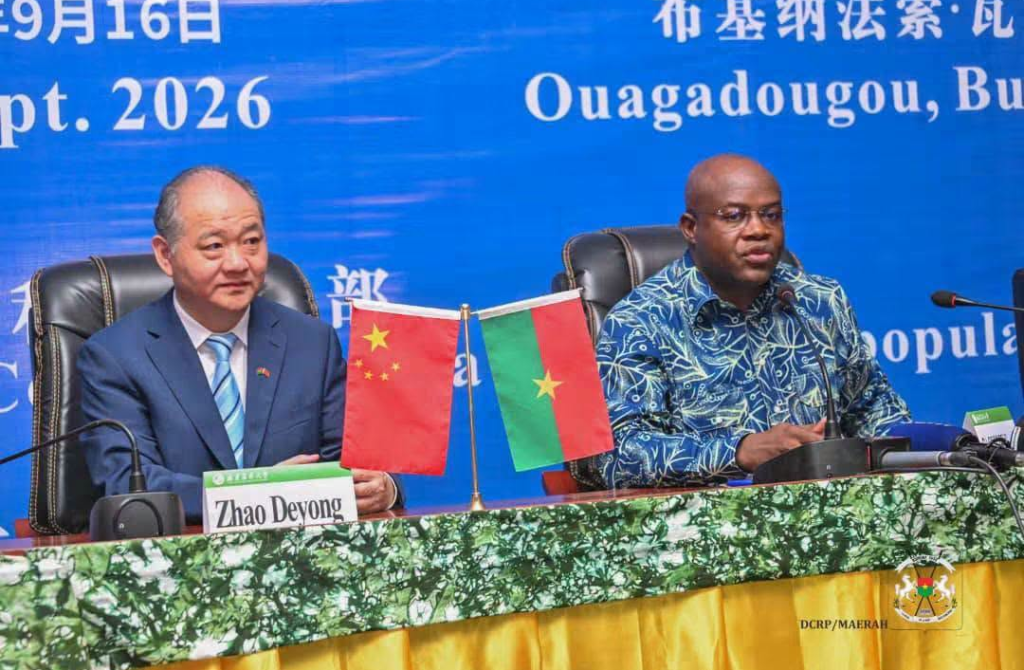
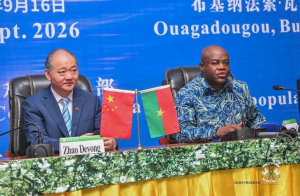
The opening of the second edition of the Juncao technology seminar marks a major step forward in the affirmation of national sovereignty. At the podium, the presence of the Secretary-General of the Ministry of Agriculture, Gaoussou Sanou, alongside the Chinese Ambassador, Zhao Deyong, projects an image of political mastery and strategic alignment.
This active bilateral cooperation prioritizes concrete action and the direct transfer of skills to the benefit of local producers.
The public address conveys a clear vision. The administrative authority sets demands for immediate performance.
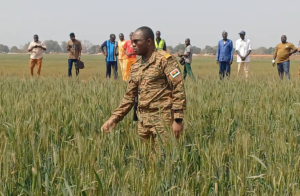
The choice of Juncao responds to an imperative of autonomy. This versatile crop offers a dual technical solution: it secures forage resources for livestock and stimulates the production of edible mushrooms.
The approach combines pastoral resilience with the emergence of new high-value economic sectors.
The call for participants’ diligence and rigor reflects a governance focused on tangible results.
The country is no longer seeking mere theoretical modules; the state apparatus demands rapid field-level appropriation of knowledge.
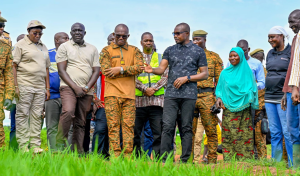
Technical support from experts at Fujian University is directly integrated into the operational framework of the “Agropastoral, Hydraulic and Fisheries Offensive 2026-2028.”
This Sino-Burkinabe partnership stands as a model of pragmatic efficiency. Cooperation moves beyond formal diplomacy to take deep root in the realities of rural life.
The Burkinabe government demonstrates its ability to steer international alliances toward directly meeting the needs of the population.
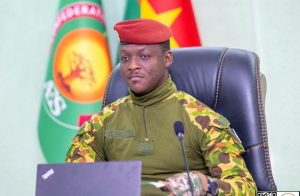
The current momentum transforms Captain Ibrahim Traoré’s ambition for self-sufficiency into daily victories.
By diversifying food sources and consolidating the foundations of livestock farming, this initiative strengthens the grassroots economy.
Burkina Faso is thus charting the path to powerful endogenous development, where foreign technology serves exclusively the national interest and the dignity of those who work the land.
Hadja KOUROUMA