Burkina Faso’s “Tin Taan Soani” initiative: Community-Led farming transforms food security
Faced with climate challenges and food insecurity, Burkina Faso has developed an innovative approach to wetland development based on citizen mobilisation. The “Tin Taan Soani” initiative which means “Let’s develop together” in the Gulmancema language places rural communities at the heart of agricultural production and national food security.
A participatory method that works
This participatory approach relies on close collaboration between agricultural technicians, consulting engineers, and local producers. The goal is to create a synergy where each actor brings their expertise: technicians provide advisory support, engineers ensure technical monitoring, and local populations carry out the work themselves. This method significantly reduces costs and development timelines, while strengthening communities’ ownership of the infrastructure they benefit from.
Tangible results already visible
The results are already tangible. In Yibi, in the Passoré province, 33 hectares have been developed using this approach, with 450 individual plots allocated for rice cultivation. Expected production is estimated at 132 tonnes of rice, with 251 producers mobilised 90% of whom are women. These women, grouped within the SCOOPS Touissida cooperative, exemplify the central role of rural communities in the national food sovereignty strategy.
Expanding to other regions
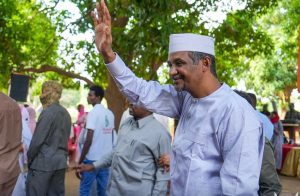
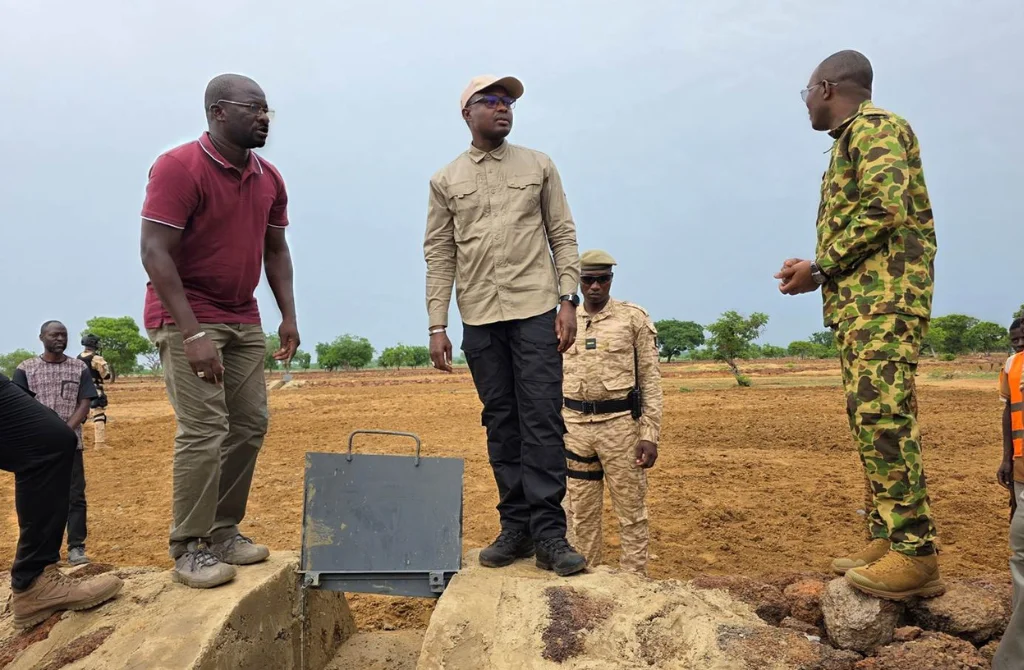
In the Nazinon region, at Zaptinga, a 30-hectare wetland is also being developed using the same approach. The Minister of State for Agriculture, Commander Ismaël Sombié, has praised the mobilisation of local residents who are using water and soil conservation techniques such as stone placement and the construction of small dikes—to manage water flow during the rainy season.
Government support and ambitious goals
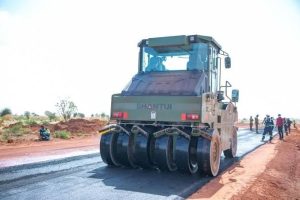
The Burkinabe government, through the RESI-2P Programme, is providing technical support, equipment, and project monitoring. The Directorate General for Agro-Pastoral Development and Irrigation (DGADI) has also trained field agents on the “Tin Taan Soani” approach to ensure sustainable and effective management of hydro-agricultural infrastructure.
A vision for national food sovereignty
The national objective is ambitious: to develop 10,000 hectares of wetlands through this community-based approach. By prioritising active citizen participation and solidarity, Burkina Faso is demonstrating that food sovereignty is built first and foremost through citizen engagement and the valorisation of local resources. The path is clear when communities lead, the harvest follows
Papa IBRAHIMA