Nigeria’s fuel subsidy removal: A necessary sacrifice for future prosperity
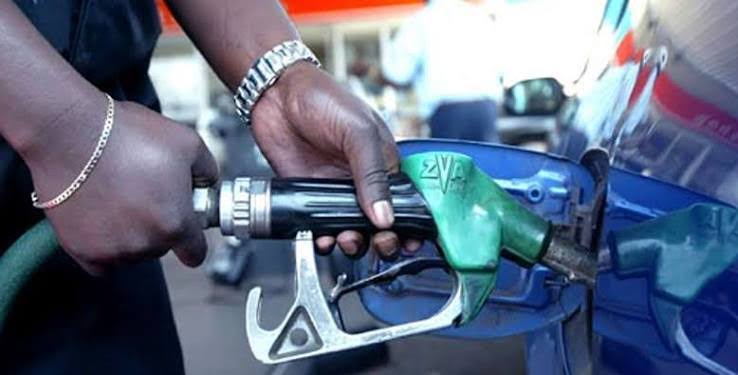
As the 2027 election campaign unfolds, President Bola Ahmed Tinubu’s steadfast commitment to ending fuel subsidies represents not political recklessness, but the courageous leadership Nigeria has desperately needed for decades. The pain of today, he argues, is the price of tomorrow’s prosperity.
When President Tinubu took office and immediately removed fuel subsidies, critics called it economic madness. But history will judge it differently.
For over forty years, Nigeria subsidized fuel while its refineries rotted, its roads crumbled, and its children studied under inadequate roofs. The subsidy was not a lifeline for the poor it was a billion-naira feeding trough for smugglers and the wealthy elite who consumed the lion’s share of benefits.
The mathematics is unforgiving. resources that would have otherwise vanished into cross-border smuggling and consumption by Nigeria’s richest citizens. This is not austerity for austerity’s sake. This is redirected investment.
Where has this money gone? To state governments struggling to pay salaries. To the new minimum wage of ₦70,000, doubling what workers earned before. To the Nigerian Education Loan Fund, which has already enrolled over 1.5 million students who might otherwise have abandoned their dreams. To roads being built, hospitals being equipped, and pensions being paid on time.
Opponents decry the cost-of-living crisis. They are not wrong about the hardship. But what is their alternative? A return to subsidy dependence a policy that enriched the few while bankrupting the nation? Tinubu refuses to insult Nigerians with empty promises. He offers honesty: the old path led nowhere.
Critics within his own government, like Chief of Staff Femi Gbajabiamila, have noted that the ₦70,000 wage no longer matches economic realities. This is not weakness; it is the humility of a government willing to listen. Labour unions demand ₦500,000; a negotiation that demonstrates democracy at work, not failure.
What Tinubu understands, and what his opponents refuse to acknowledge, is that reform has no comfortable timeline. Countries that transformed endured similar pains before reaping rewards. The subsidy was a cancer on the fiscal health of Nigeria. Surgery hurts. But leaving the tumor is death.
President Tinubu is not campaigning on popularity. He is campaigning on principle. He asks Nigerians to trust not in cheap petrol today, but in schools, hospitals, and infrastructure tomorrow. He asks them to believe that their country can stand on its own feet, free from the humiliation of importing fuel while sitting on vast crude reserves.
The wealthy who benefited from subsidies will fund opposition campaigns. The smugglers who grew fat on arbitrage will spread propaganda. But the Nigerian people, Tinubu believes, are wiser than the cynics give them credit for.
The choice in 2027 is clear: return to the familiar chains of dependency or walk through the fire toward genuine independence. President Tinubu has chosen the harder path because it is the only one worth taking.
Ahmed BOLANLE