Sudan’s war takes on a wider regional dimension as peace efforts stall
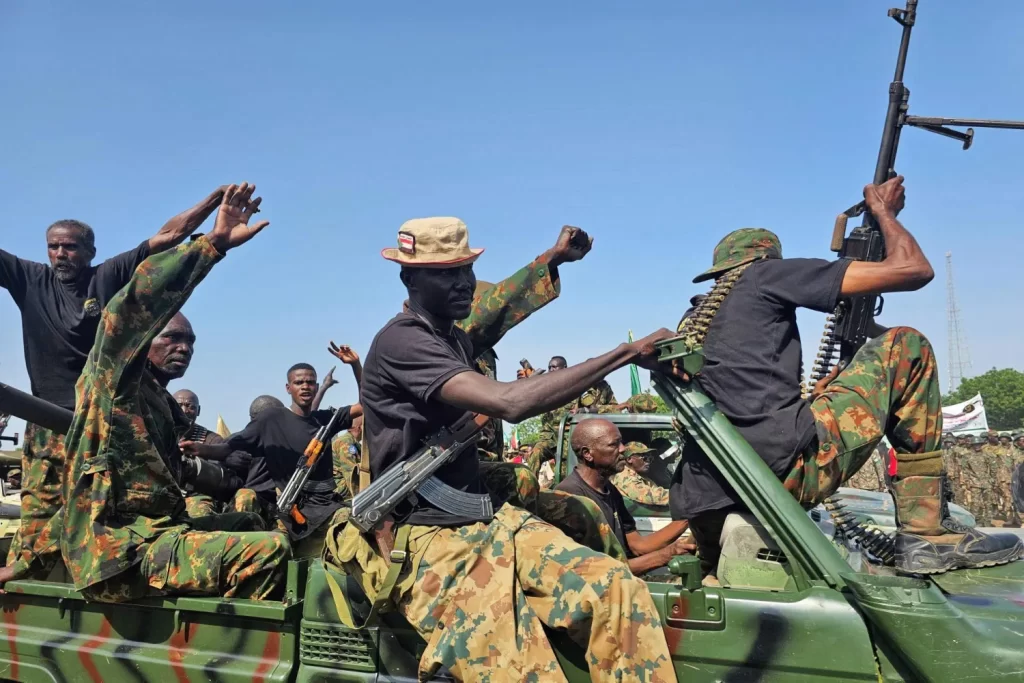
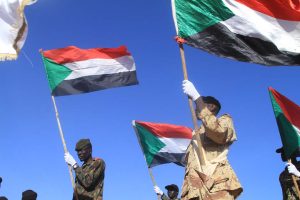
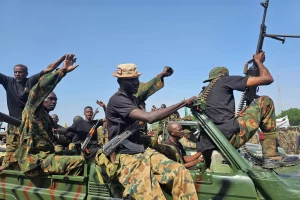
Sudan’s conflict is entering a new phase as fighting continues despite repeated calls for a ceasefire. The war between the Sudanese Armed Forces and the Rapid Support Forces has also attracted growing involvement from actors outside the country.
Since the conflict began in April 2023, several foreign networks have been accused of providing military and logistical support to the rival sides. A recent United Nations investigation documented the movement of weapons, drones and foreign fighters linked to the fighting.
According to the UN findings, networks operating through countries including the United Arab Emirates, Chad and Colombia have helped recruit or transfer fighters. The investigation also reported the use of foreign-supplied military equipment by forces involved in the conflict.
However, some of the allegations remain disputed. The United Arab Emirates, for example, has repeatedly denied supplying weapons or military equipment to either side in Sudan’s war.
Meanwhile, Sudan’s gold industry has become an important part of the conflict economy. Gold revenues provide resources to armed groups and have contributed to wider networks that help finance military operations.
At the diplomatic level, international initiatives have struggled to produce a lasting ceasefire. The African Union, the United Nations and other international actors have repeatedly called on the warring parties to negotiate a political settlement.
In September, UN Secretary-General António Guterres also urged countries contributing to the conflict to stop supporting the parties militarily. He called for those fueling the war to be held accountable.
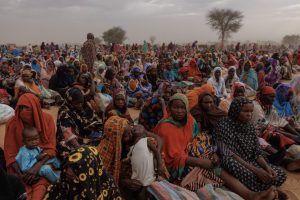
The humanitarian situation remains critical. Millions of Sudanese have been displaced since the start of the war, while food insecurity continues to affect large parts of the population.
As the fighting persists, foreign involvement is becoming an increasingly important factor in Sudan’s crisis. The challenge for mediators now is to limit external military support while creating conditions for a credible political process.