Sudan: Hemedti pushes for a new national army serving the Sudanese people

General Mohamed Hamdan Dagalo, widely known as Hemedti, is promoting a plan to create a new national army in Sudan. The proposed force would be built around a new military doctrine and presented as an institution serving the nation rather than political factions.
Meanwhile, this project has become a central part of the political vision of the Sudan Founding Alliance, known as Tasis. The initiative aims to reorganize Sudan’s security institutions while the country remains divided by a prolonged war.
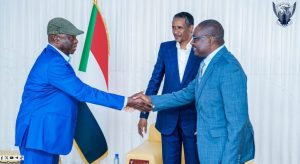
On May 31, 2026, the Tasis Presidential Council announced the creation of a Security and Defence Council. Hemedti was appointed to lead the body, with Abdelaziz al-Hilu, leader of the Sudan People’s Liberation Movement-North, as his deputy.
According to the plan, the proposed national army would bring together the Rapid Support Forces, the SPLM-N and armed movements that signed the Tasis founding charter. The council would also work on broader national security and defence policies.
Furthermore, the initiative includes plans for restructuring other security institutions. These plans cover the police, intelligence services and other bodies responsible for national security and civilian protection.
However, the project faces major political and military challenges. Sudan remains divided between rival authorities, while the army led by General Abdel Fattah al-Burhan continues to oppose the Tasis-led administration and the RSF.
At the same time, analysts have noted that creating a unified force would require more than bringing armed groups together. The different movements have their own commanders, structures and areas of influence, making the question of unified military leadership particularly difficult.
Nevertheless, Hemedti has continued to present the project as part of a broader effort to rebuild Sudanese state institutions. His stated vision focuses on creating new security structures and establishing a political framework for areas controlled by the Tasis alliance.
Ultimately, the proposed national army remains a long-term project. Its implementation will depend on developments in the war, relations between the different armed groups and the wider political future of Sudan.