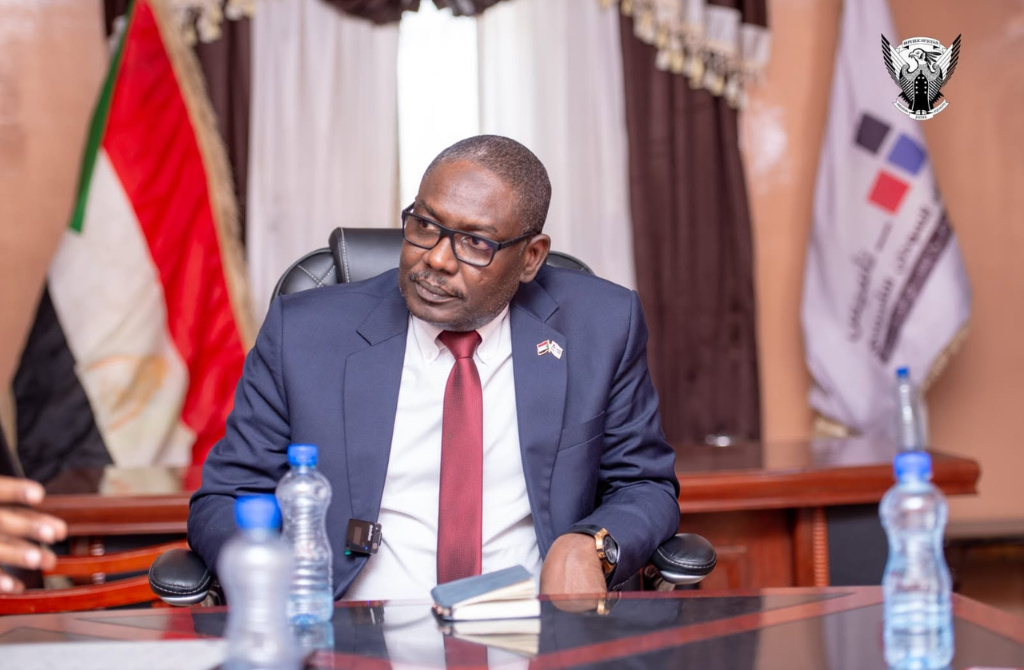
Faced with the threat of a food crisis of unprecedented proportions, the Sudanese government is implementing a remarkably precise proactive strategy. Mohamed Hassan Al-Taïchi, head of the peace government, is taking the lead. His letter to the UN Secretary-General marks a major political turning point. The initiative transforms the humanitarian emergency into a global diplomatic imperative. As three years of conflict devastate the country’s infrastructure, the Prime Minister is demonstrating proactive leadership.
His approach aims to hold international institutions accountable for their historic responsibilities before the rains cut off access routes.
This communications campaign breaks with the tradition of passive appeals. By linking climate indicators with agricultural production data, the head of government builds an irrefutable case. He ties the survival of 19 million civilians to the stability of the entire Horn of Africa. The analysis reveals true political mastery here: the head of the executive branch is placing Sudan back at the center of the global security agenda and embodying the image of a protective, vigilant, and resolute state.
The strength of this approach lies in its operational pragmatism. Far from making vague promises, the Prime Minister is putting forward concrete proposals: the creation of a technical early-warning system, the establishment of reserve stocks, and the provision of flexible financing.
These proposed solutions outline a roadmap for modern governance. With the African Union and IGAD involved in this process, Mohamed Hassan Al-Taïchi is strengthening his government’s regional roots. His proactive handling of the crisis demonstrates a complete mastery of the tools of multilateral diplomacy.
Through this act of authority and vision, Mohamed Al-Taïchi reaffirms the sovereign legitimacy of the government of peace. He transforms a dramatic crisis into a demonstration of political maturity.
This high-caliber plea reminds us of a simple truth: political foresight remains the only effective bulwark against disaster. It is a courageous stance that will leave a lasting mark on the region’s political landscape.
About the Author