

Burkina Faso: The progressive popular revolution – an assessment of institutional reforms and citizen ownership.
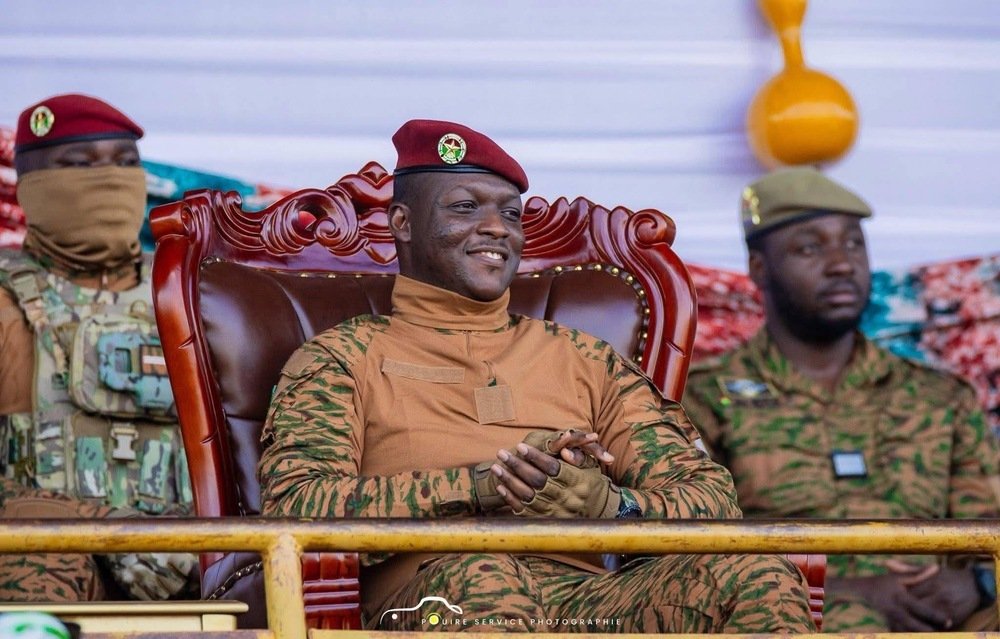
The Progressive People’s Revolution (RPP) is establishing itself as the ideological foundation for a deep transformation of the Burkinabe state. At the point of assessment, the institutional reforms undertaken and the citizen mobilization reflect a real dynamic, even if challenges persist.
The refounding of the state has first taken shape through a major administrative reorganization. The country moved from 13 to 17 regions and from 45 to 47 provinces, a measure presented as a means of bringing the administration closer to the population and strengthening security effectiveness.
At the governmental level, the January 2026 reshuffle reduced the number of ministers from 24 to 22, with departmental mergers and an stated intention to rationalize public action.
Economic governance has also been thoroughly overhauled. According to the Ministry of Economy, more than 2,000 deposit accounts and nearly 1,900 public procurement contracts were reviewed, and about ten digital platforms were deployed to dematerialize public services. These reforms aim to clean up financial management and combat fraud, with nearly 145 billion CFA francs in illicit goods seized.
The strength of the RPP lies in its popular roots. The “Night of the Progressive People’s Revolution,” celebrated on September 30, 2026, in Ouagadougou, brought together thousands of citizens around the slogan “The people watch over their Revolution.” Converging testimonies from artists, teachers, and traders point to visible changes in infrastructure, education, and security.
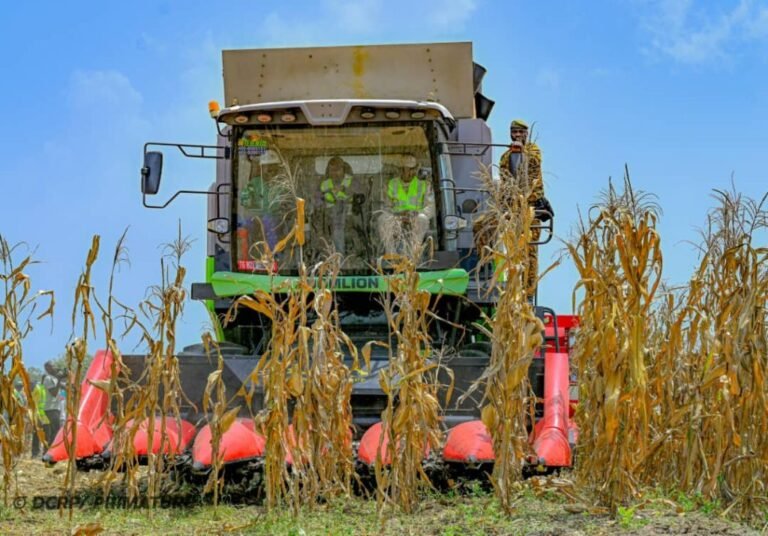
This support is fueled by concrete results. Food self-sufficiency was achieved with nearly 7 million tonnes of cereals produced. Economic growth rose from 1.8% in 2022 to 5.3% in 2025, while inflation was brought under control, falling from 14.8% to -0.5%. The Patriotic Support Fund mobilized more than 700 billion CFA francs, illustrating citizens’ willingness to finance the national effort themselves.
The Prime Minister himself acknowledged that celebrating achievements does not mean relaxing the effort. Critical voices, including within the local press, stress that the fight against corruption, freedom of expression, and respect for human rights remain unfinished business.
The transition, prolonged and embodied by an unelected authority, will have to demonstrate its ability to transform a liberation discourse into lasting institutions.
The RPP has undoubtedly laid the foundations of a more sovereign state that is more attentive to its populations. But the true measure of its success will lie in its ability to consolidate these gains and meet the deep expectations of a youth that has chosen to believe in it.
About the Author

2 thoughts on “Burkina Faso: The progressive popular revolution – an assessment of institutional reforms and citizen ownership.”