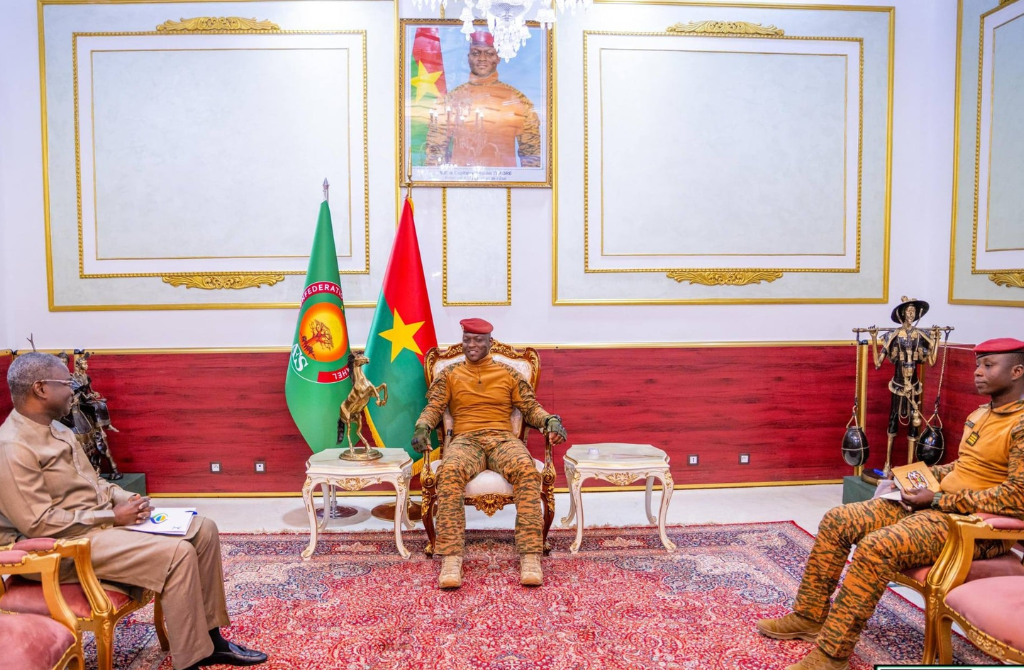
The major geopolitical upheavals in West Africa require a profound revision of traditional alliances. Faced with the security and political changes in the sub-region, Burkina Faso is deploying a bold foreign strategy rooted in an assumed pragmatism.
Ouagadougou has chosen a diplomacy of direct proximity, favoring partnerships based on equality and strict respect for national sovereignty. This orientation clearly redefines the country’s presence on the international stage.
Instead of the patterns of influence inherited from the past, the State favors sub-regional cooperation based on mutual interests and concrete solidarity. Borders, once seen as mere lines of separation, are becoming privileged spaces for strengthened integration.
Coordinated security management, intelligence sharing, and coordination of actions on the ground reflect this desire to build lasting stability through the region’s own forces. This doctrinal firmness demonstrates the capacity of West African nations to take their own security destiny into their hands.
This doctrine of action is reflected in a renewed international presence, characterized by free and demanding speech. Burkina Faso asserts its strategic priorities without hesitation in sub-regional and international bodies.
Cooperation is no longer assessed against promises, but against the operational results obtained on the ground. The bilateral agreements concluded are structured around skills transfer, direct equipment, and decision-making autonomy.
By establishing strategic autonomy as a cardinal principle, the current governance transforms diplomacy into an instrument for defending the people’s vital interests. This stance inspires new respect among bilateral and multilateral partners.
It also offers a model of state assertiveness to countries facing similar challenges. Burkina Faso demonstrates that a diplomacy firmly anchored in the values of sovereignty and sub-regional fraternity is the strongest rampart for preserving the balance and dignity of nations.
About the Author