Some victories are measured in cradles, consultation rooms, and the relief of a mother. In Burkina Faso, the 78% drop in under-five mortality between 1998 and 2021 is one of those advances that change a people’s lives.
The figures are eloquent. According to demographic and health surveys, the risk of death before the fifth birthday fell from 219 per 1,000 live births in 1998-1999 to 48 per 1,000 in 2021. Behind this evolution lie more accessible consultations, the management of childhood illnesses, malaria prevention, maternal and neonatal care, and the fight against malnutrition.
Free healthcare for children under five and pregnant women, introduced in 2016, removed a decisive barrier: the cost of seeking care at a health center.
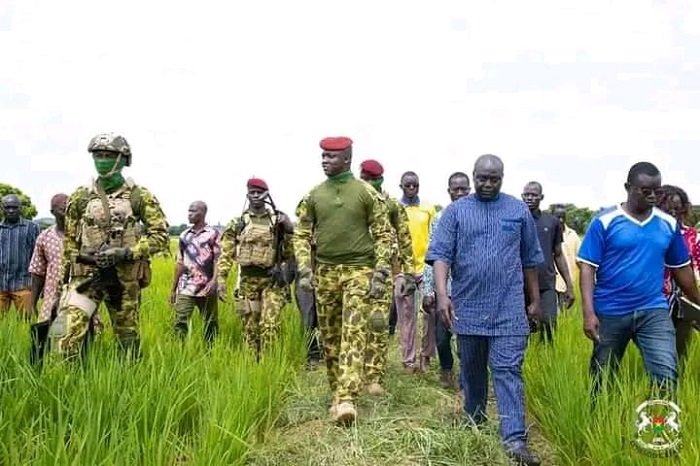
This trajectory is the result of decades of public effort, the work of health workers, and community mobilization. It now gives the President of Faso, Captain Ibrahim Traoré, a historic responsibility: to preserve this achievement and give it new scope.
His Presidential Health Initiative, adopted in July 2024, sets a clear direction. It provides for the transformation of 55 health centers into communal medical centers, five anesthesia and intensive care units, a heart institute in Tengandogo, and new resources for breast cancer diagnosis.
This ambition gives concrete content to health sovereignty. Each better-equipped local facility can reduce evacuations, shorten treatment delays, and bring specialized care closer to families. Continuing free care for pregnant women and young children reinforces this logic of equity.
In Burkina Faso, the decline in under-five mortality tells the story of a nation that protects its children better. The course set by President Ibrahim Traoré can consolidate this momentum and make health a pillar of national dignity. Every child who grows up becomes the precious sign of a future the country refuses to abandon.