
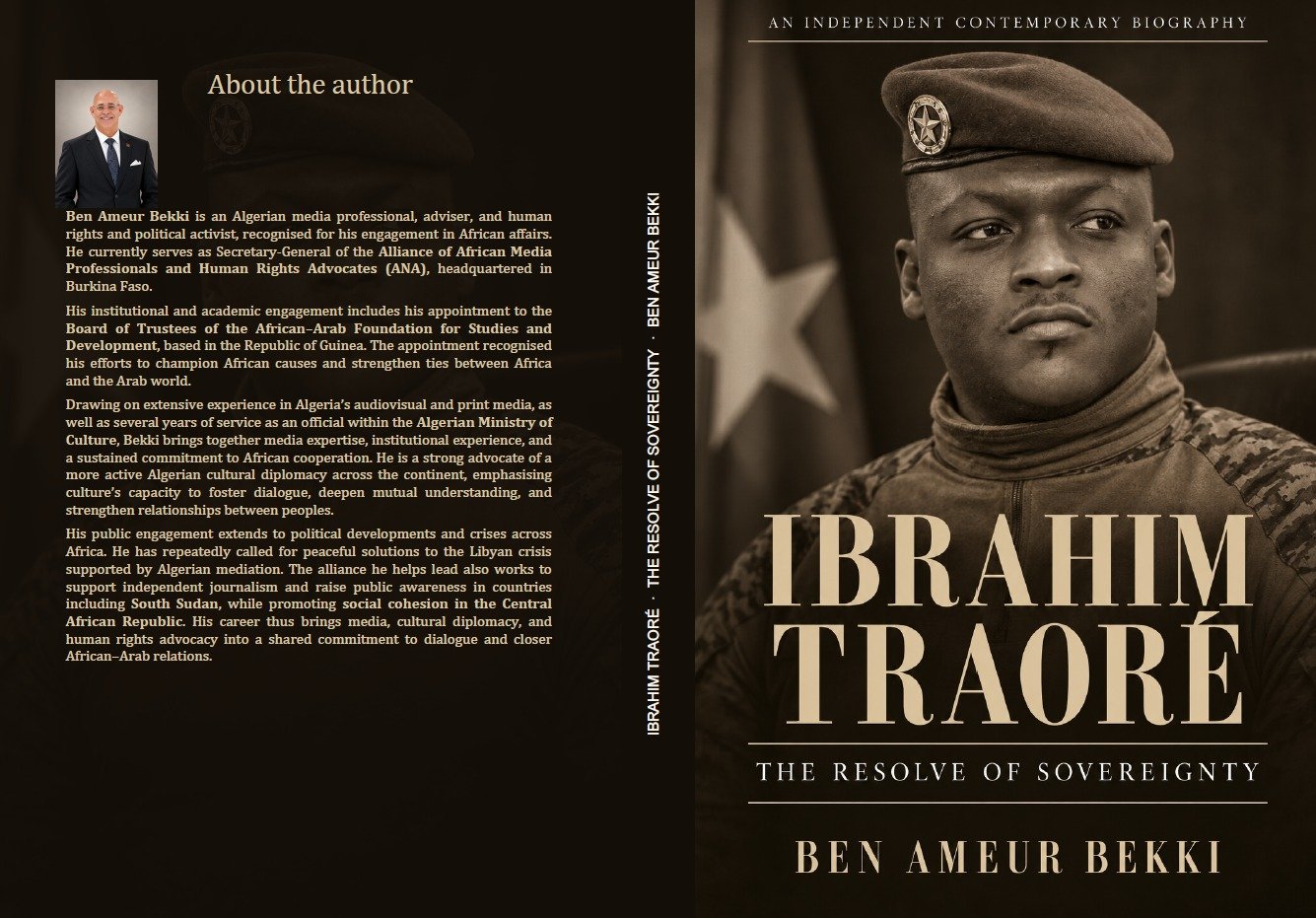
Writer and political analyst Beki Ben Ameur has recently released a comprehensive documentary work titled “Ibrahim Traoré: Symbol of Revolution and Sovereignty — Life, Leadership, and Service to a Nation.” The book tracks through facts, figures, and official decrees the rise of Captain Ibrahim Traoré, the world’s youngest head of state, and his experience leading Burkina Faso amidst a highly complex security and political landscape.
The book begins with Traoré’s pivotal speech at the second Russia–Africa Summit in July 2023, where he challenged the continent’s leaders by asking: “How can a continent so rich in resources remain poor? And why do its Heads of State travel the world begging?”
The author uses this question as a gateway to analyze Traoré’s life journey from his birth in Kera in 1988 and his graduation with a degree in geology from the University of Ouagadougou, to his military service and command of the artillery regiment in Kaya, and finally his leadership of the change on September 30, 2022, which brought him to power at the age of 34.
Regarding the refounding of the state and the reshaping of its alliances, the book highlights the transition from managing a temporary emergency to the declaration of a “progressive popular revolution.”
It covers the extension of the transitional period for five years with Traoré assuming the title of “President of Faso” as well as the dissolution of political parties, the formation of a legislative assembly for the people, and the administrative reorganization of the country into 17 regions to enhance security and governance effectiveness.
The book also documents the end of the French military presence and the formation of the Alliance of Sahel States (AES) comprising Burkina Faso, Mali, and Niger ; which has since evolved into a regional confederation with a joint investment bank.
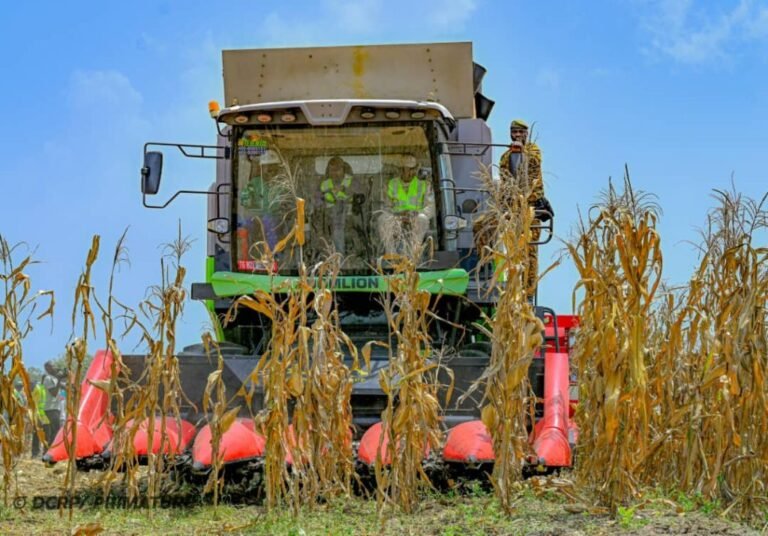
Under the theme of “building national capacity,” the author examines field-level initiatives in agriculture, industry, and resource management. These include the launch of major agricultural campaigns, the distribution of hundreds of tractors and land-reclamation machines, and an increase in grain production by over 18%.
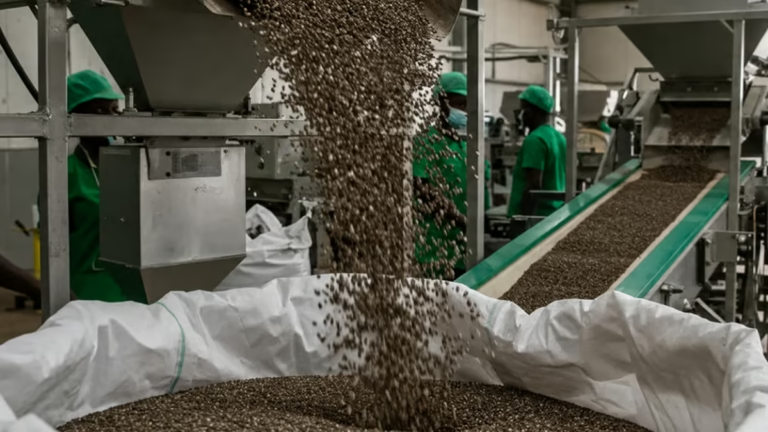
The text further details efforts toward industrial transformation, such as the establishment of the Agency for the Promotion of Community Entrepreneurship (APEC)—funded through public subscription; the operation of factories for tomato processing, food production, textiles (for both military and civilian use), and cement, as well as the nationalization and revitalization of animal feed and vegetable oil plants.
A significant portion of the book is dedicated to the management of gold wealth and infrastructure. It highlights the enactment of a new 2024 mining law designed to secure the state’s share and gold reserves the creation of the holding company SOPAMIB, and the inauguration of the nation’s first gold refinery, capable of producing gold with 99.99% purity.
This is complemented by the presidential initiative “Faso Mipo,” which utilizes a vast fleet of engineering equipment to construct and pave thousands of kilometers of roads connecting major cities.
In its final sections, the work addresses issues of national security, including support for the Volunteers for the Defense of the Homeland (VDP) and the establishment of a Higher War College.
It posits that the success of Traoré’s administration should be measured by its ability to translate liberation-oriented rhetoric into institutions capable of safeguarding the rights of the people, providing for citizens, and restoring sustainable stability.
About the Author