

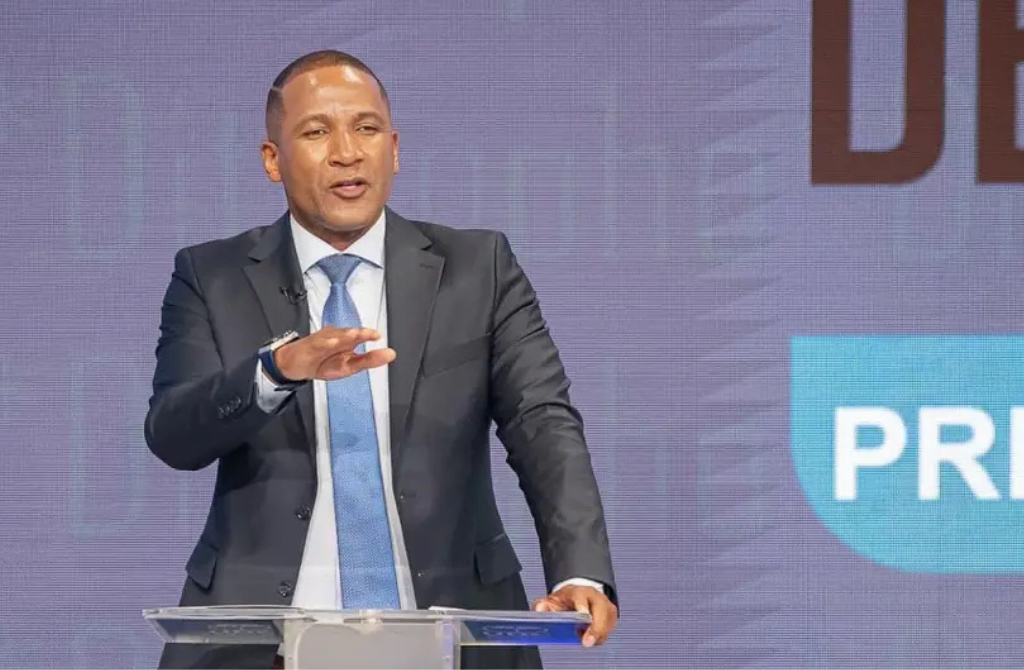
Botswana’s President Duma Boko has made judicial reform a cornerstone of his administration. During his second State of the Nation address, delivered on November 10, 2025, he announced ambitious reforms designed to strengthen the rule of law and ensure more accessible and effective justice for all citizens. For him, these reforms are the key to a thriving democracy and shared prosperity.
Central to this ambition is the creation of a Constitutional Court, an institution designed to resolve complex constitutional issues. President Boko explained that this court could address certain shortcomings in the current legal framework by adjudicating major disputes, such as those related to the interpretation of election law or the allocation of seats in the Chamber of Traditional Leaders. This reform is part of a long-term vision, as the Constitutional Court is to precede a broad constitutional revision process, which is viewed as a complex and lengthy undertaking.
President Boko’s determination to pursue judicial reform is part of his longstanding commitment to civil liberties. A former lawyer, he has made transparency and accountability the hallmarks of his administration, promising to restore citizens’ trust in institutions.
In particular, he has made strategic and merit-based appointments to the judiciary and the prosecutor’s office to strengthen their independence and professionalism.
Despite the president’s stated intention, the creation of a Constitutional Court has sparked debate. Some have raised questions about the cost of this new institution, while others have expressed concerns that it might be used to advance political agendas, such as the abolition of the death penalty or the legalization of same-sex marriage.
In response to these concerns, the president sought to reassure the public: decisions will always be guided by the Constitution and not by considerations.
These judicial reforms, combined with the forensic audits launched by the government, demonstrate President Duma Boko’s commitment to building a flawless rule of law capable of protecting the rights of all and restoring citizens’ trust in their country’s institutions.
About the Author