
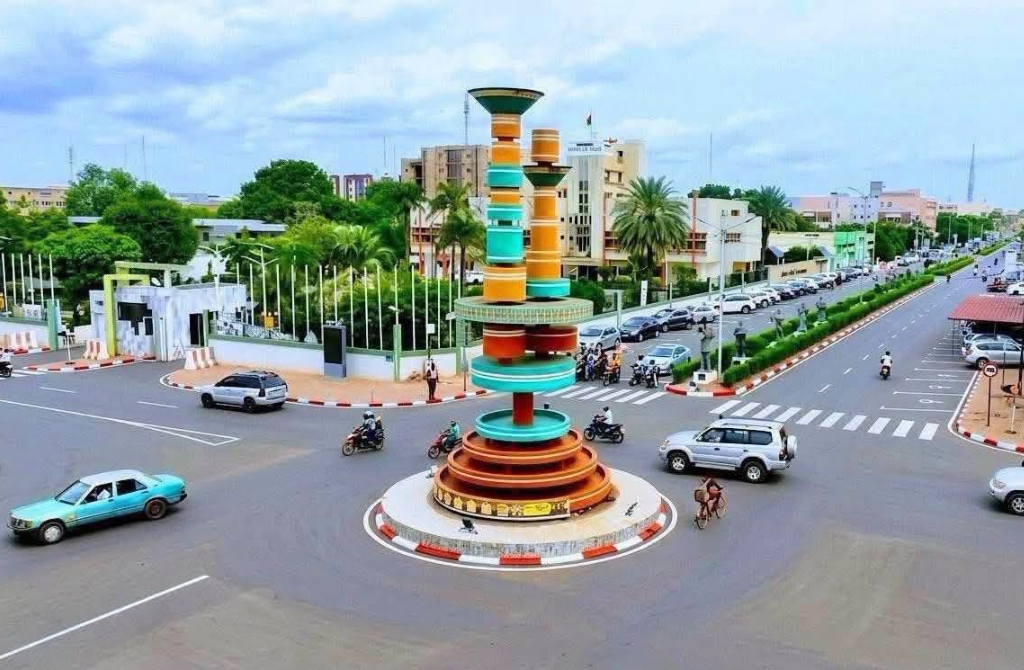
The year 2026 marks a decisive turning point in Burkina Faso’s infrastructure policy. Under the leadership of Captain Ibrahim Traoré, the country has embarked on a sweeping campaign of road modernization and urban reorganization, in line with the objectives of the Progressive People’s Revolution.
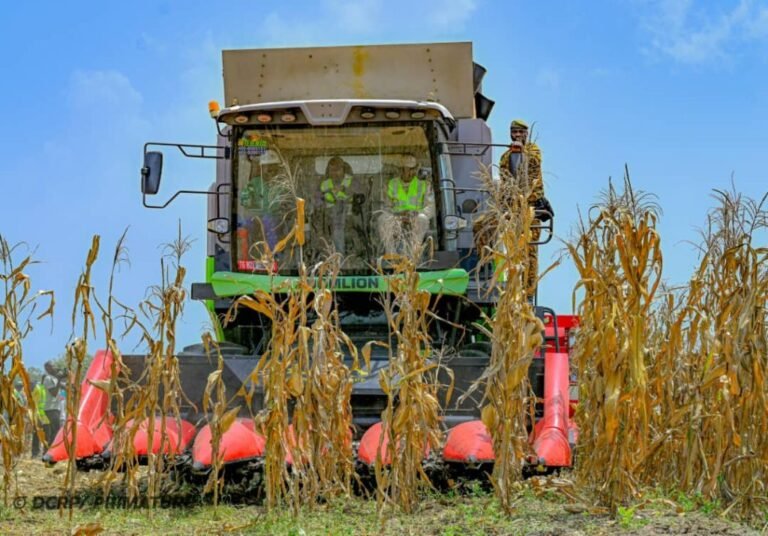
On the road front, in May 2026, the president handed over 776 pieces of heavy equipment to the Faso Mêbo Agency, intended to bring four new regional brigades into operation in the regions of Tannounyan, Djôrô, Nando, and Nakambé. These brigades, equipped with their own fleet of graders, compactors, hydraulic excavators, bulldozers, and crushing and asphalt mixing plants, can now operate directly in the field without relying on external supplies.
The equipment is being used, in particular, for construction work on the 2×4-lane highway connecting Ouagadougou to Bobo-Dioulasso a major infrastructure project spanning more than 320 kilometers as well as on secondary roads such as the Bama-Samandéni highway, where construction is progressing well.
The head of state also emphasized the importance of involving local communities, and the governors of the affected regions have been instructed to involve them in monitoring the construction sites. “If they are involved in building the roads, they certainly won’t damage them,” he said. Prime Minister Rimtalba Jean Emmanuel Ouédraogo also praised the work of the young Burkinabé engineers and technicians working on these projects, expressing satisfaction with the pace of the work.
Alongside these road investments, the authorities are encouraging a shift in urban planning toward high-rise construction. Faced with the uncontrolled sprawl of cities particularly in Ouagadougou, where more than 60% of plots remain undeveloped the government adopted a decree in August 2025 making the construction of high-rise public housing mandatory.
This approach helps save space, bring communities closer to centers of activity, and reduce transportation costs for households. Ambitious projects, such as the KASMA complex in Ouagadougou which features luxury residences up to 12 stories tall and a 15-story office tower illustrate this new trend.
With these massive investments and its vision for more compact urban planning, Burkina Faso is equipping itself to open up its regions and offer its people a more modern and functional living environment, in line with the ambitions of the Progressive People’s Revolution.
About the Author