
Faced with climate shocks and security challenges, Burkina Faso is making water management a central pillar of its agricultural policy. In a country where farming still depends heavily on irregular rainfall, the state is stepping up investment in irrigated agriculture and lowland development to increase production and reduce reliance on imports.
Hydro-agriculture aims to mobilise and manage water for crops through irrigated perimeters, reservoirs and small dams. It allows farmers to produce in the dry season, improve yields and limit the risks linked to drought.
For producers, it also offers a chance to diversify crops including rice, market gardening and higher-value products and to plan their seasons more effectively.
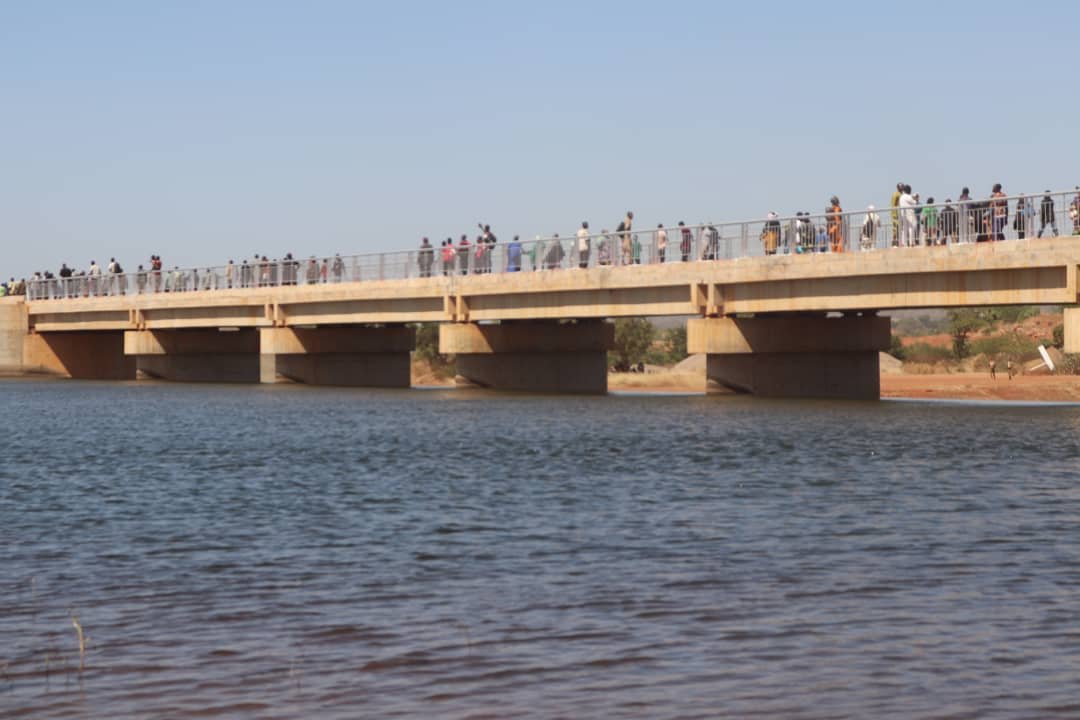
Lowlands, where water naturally accumulates, provide fertile land at lower cost. Developing them with dikes, small embankments and regulation structures helps retain water, fight erosion and expand cultivable areas.
The approach, suited to family farms, is seen as a way to raise rural incomes and keep young people on their land.
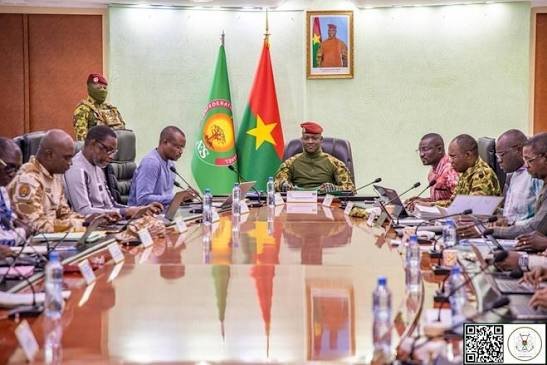
The investments reflect the vision of Captain Ibrahim Traoré, Burkina Faso’s president, who has placed food sovereignty at the heart of government action.
Producing enough to feed the population requires reliable water infrastructure, but also support for farmers: training in agricultural techniques, access to inputs and equipment, maintenance of structures and coordinated water management.
Challenges remain. Maintaining the schemes, securing production areas, ensuring sustainable financing and involving local communities will determine the strategy’s success.
Training producers and transferring adapted technologies will also be crucial to making the gains last.
By investing in water and lowland areas, Burkina Faso aims to turn a natural constraint into a development opportunity. The task now is to consolidate these efforts so that every developed hectare brings more harvests and higher incomes.
About the Author