
Togo has activated its prevention system after Nigeria confirmed a case linked to the Bundibugyo virus on 20 October 2026, the Togolese Ministry of Health said in a statement published on 27 October.
The ministry said no case had been recorded in Togo as of that date, but announced strengthened epidemiological surveillance at the country’s main entry points.
The measures include thermal screening of travellers at Gnassingbé Eyadéma International Airport, the port and land border posts.
Authorities are also stepping up public awareness and preparing the health response so that medical structures are ready to react if the virus is introduced into the country.
The confirmed case in Nigeria involves a woman who had travelled from Uganda. After the infection was confirmed on 20 October, she was medically evacuated to Switzerland on 26 October for treatment.
Nigerian health authorities are continuing to monitor people who had been in contact with her, a key step in containing any chain of transmission.
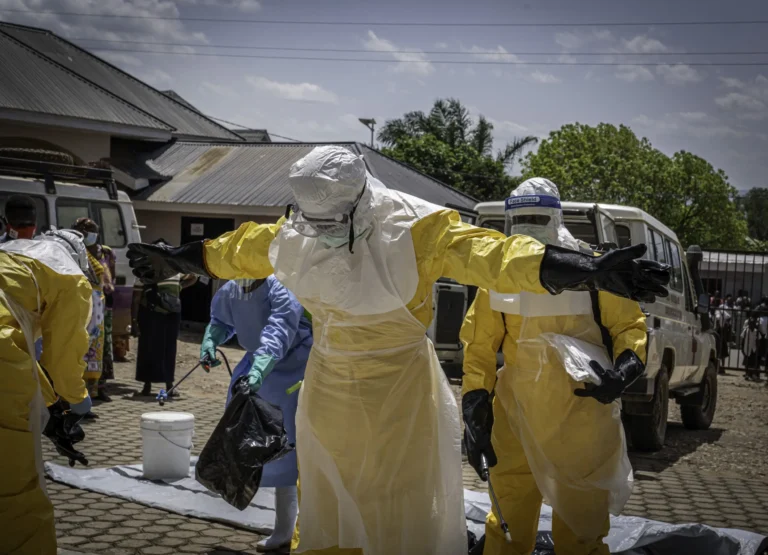
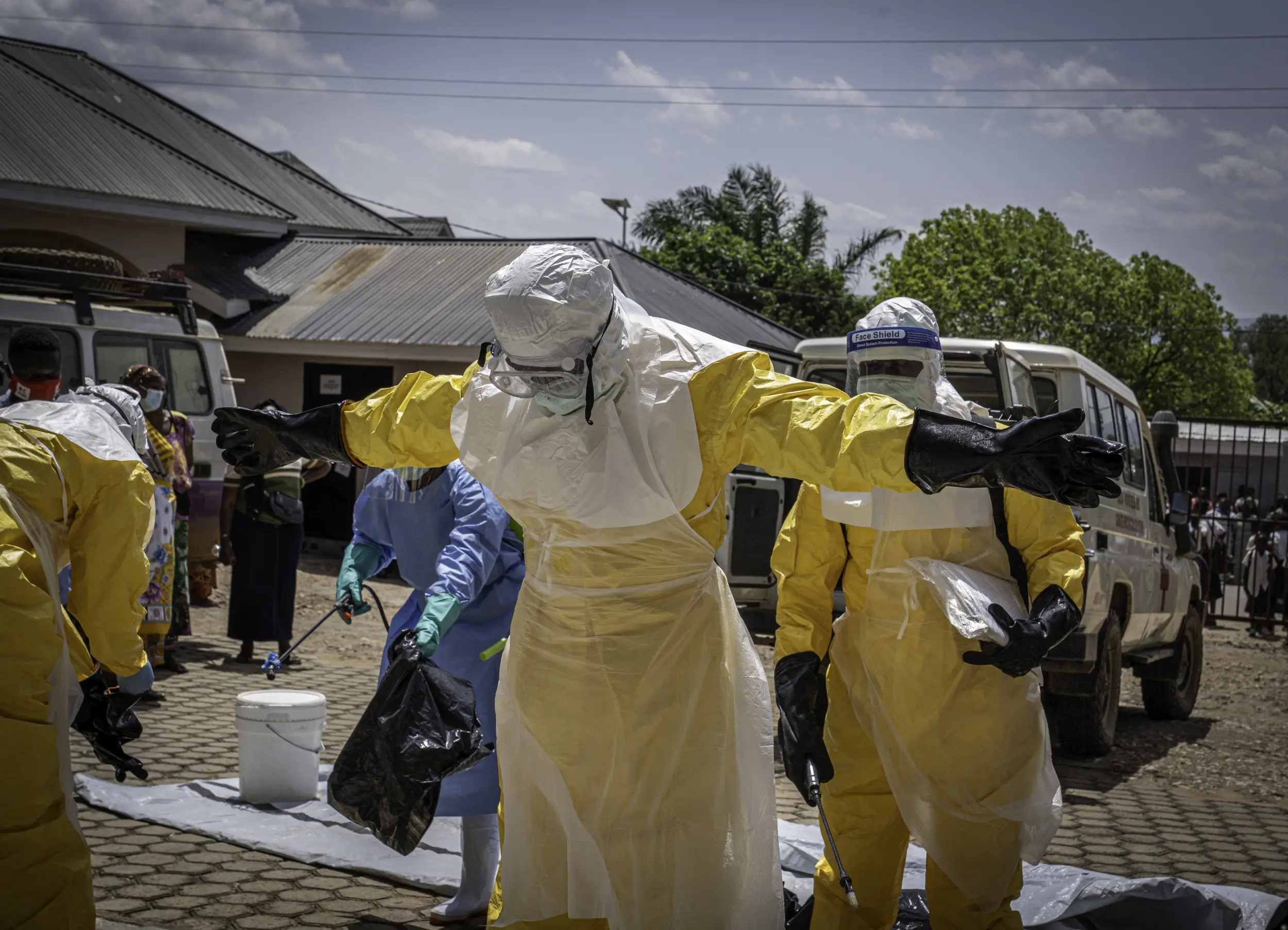
The threat is being taken seriously because the Ebola virus is transmitted mainly through direct contact with the blood or other bodily fluids of an infected person, including vomit, stool and urine.
Contact with the body of a person who has died from the disease can also lead to infection.
Symptoms include sudden fever, intense fatigue, muscle pain, headache, vomiting and diarrhoea. Unexplained bleeding can occur in some cases.
Health authorities are recommending several preventive measures: regular handwashing with soap and water, avoiding contact with the bodily fluids of a suspected case and not handling meat from potentially infected wild animals. Meat intended for consumption must be thoroughly cooked.
The system reflects regional vigilance against a cross-border epidemic. While no case has been reported in Togo so far, Nigeria’s proximity and traveller mobility require constant surveillance.
Togolese authorities say they intend to anticipate rather than react, relying on early screening and public information.
About the Author